
Vintage Botanical Illustrations for Free Download — History, Styles & Design Use
Long before photography, illustrators captured the beauty of flowers, birds, and foliage with extraordinary precision. These vintage botanical illustrations were originally created for scientific catalogs, herbal medicine guides, and decorative arts. Today, they survive as some of the most versatile design resources available — timeless patterns that work equally well on wedding invitations, luxury packaging, wallpaper, and digital design.
This week’s collection features a stunning range of vintage floral and botanical illustrations — all available for free download. From symmetrical wreaths and ornate borders to delicate line engravings and vibrant bouquets, these vector-ready illustrations work beautifully for wedding invitations, packaging, wallpaper, and brand identity. Below, we explore the history behind these illustrations, break down the 5 major styles, and show how designers are using them today.
The Origins: Science Became Art
Botanical illustration began as a scientific discipline. In the 18th and 19th centuries, botanists needed accurate visual records of plants for classification, medicine, and trade. Artists developed extraordinary techniques — watercolor, engraving, lithography — to document every leaf, petal, and stem with scientific precision. The best of these illustrations transcended their scientific purpose and became genuine works of art.
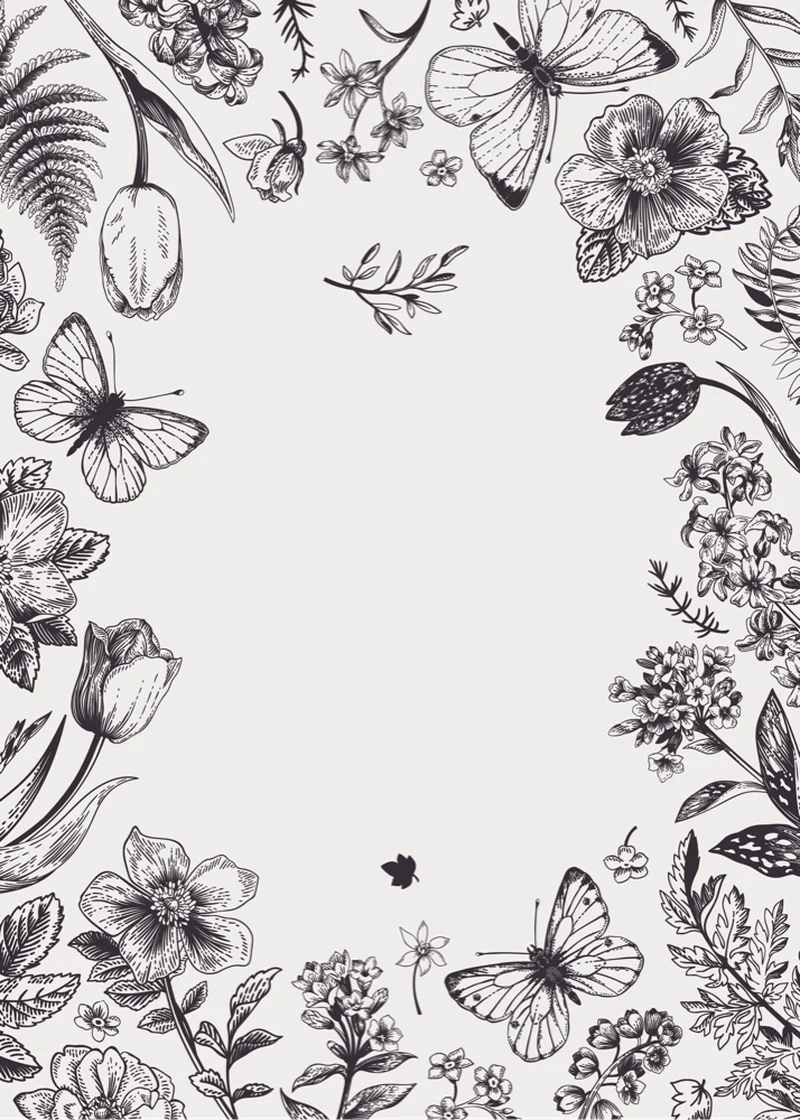
The engraving technique shown here — fine parallel lines cut into metal plates — was the standard reproduction method before photography. Look at the density variation in the lines: closer lines create darker tones, wider lines create lighter areas. This is craftsmanship that machines have never been able to replicate. The texture, the imperfections, the human hand — these are qualities that make vintage engravings so valued today.
5 Styles of Vintage Botanical Illustration
1. Symmetric Floral Borders
Symmetric floral borders are the most versatile format in vintage botanical illustration. These designs feature mirrored arrangements of flowers, leaves, and stems that create a frame or edge pattern. They were used historically in book decoration, certificate borders, and textile printing. Today, they’re perfect for wedding stationery, certificate design, and digital frame overlays.
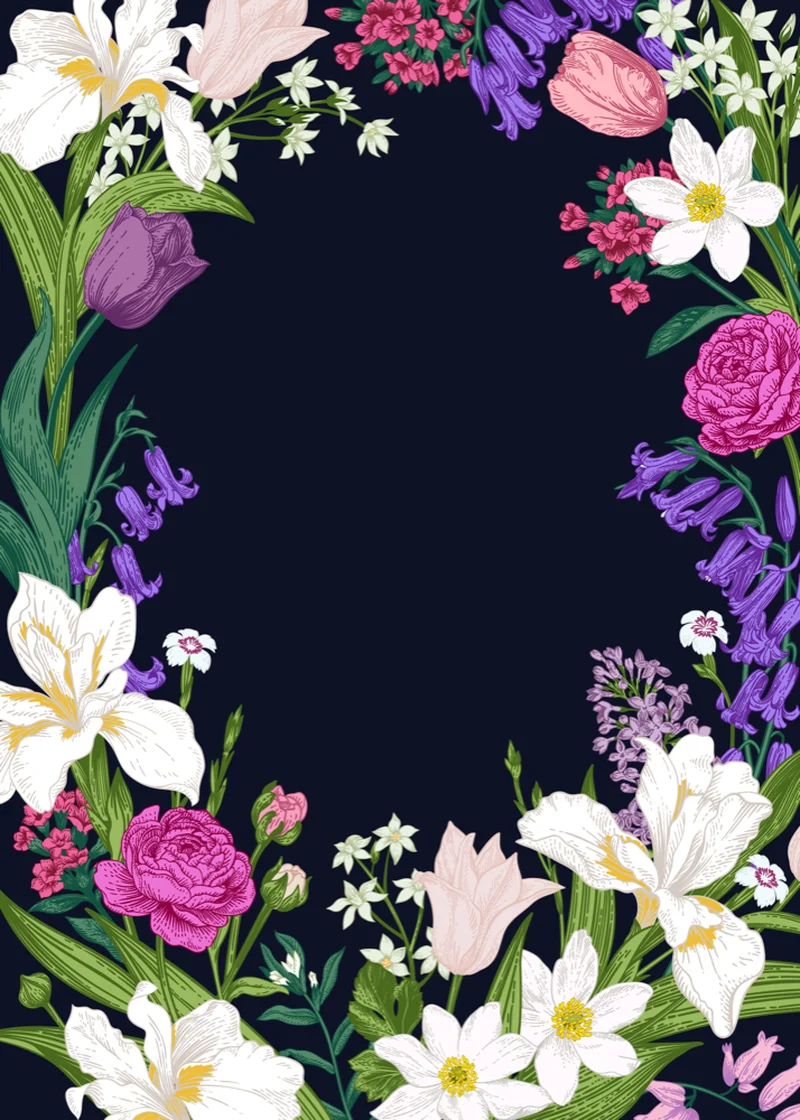
The dramatic black background transforms this traditional border into a bold, modern statement piece. Tulips, roses, and irises are arranged in perfect bilateral symmetry — the same composition technique used in Victorian mourning jewelry and Art Nouveau poster design. The black background amplifies the colors, making each flower glow.
2. Floral Wreaths and Circular Arrangements
Wreaths — circular or semi-circular arrangements of flowers and foliage — are among the most popular botanical design elements. They’ve been used for centuries in religious art, heraldry, and decoration. In modern design, wreaths are the go-to element for monogram frames, logo surrounds, and social media graphics.
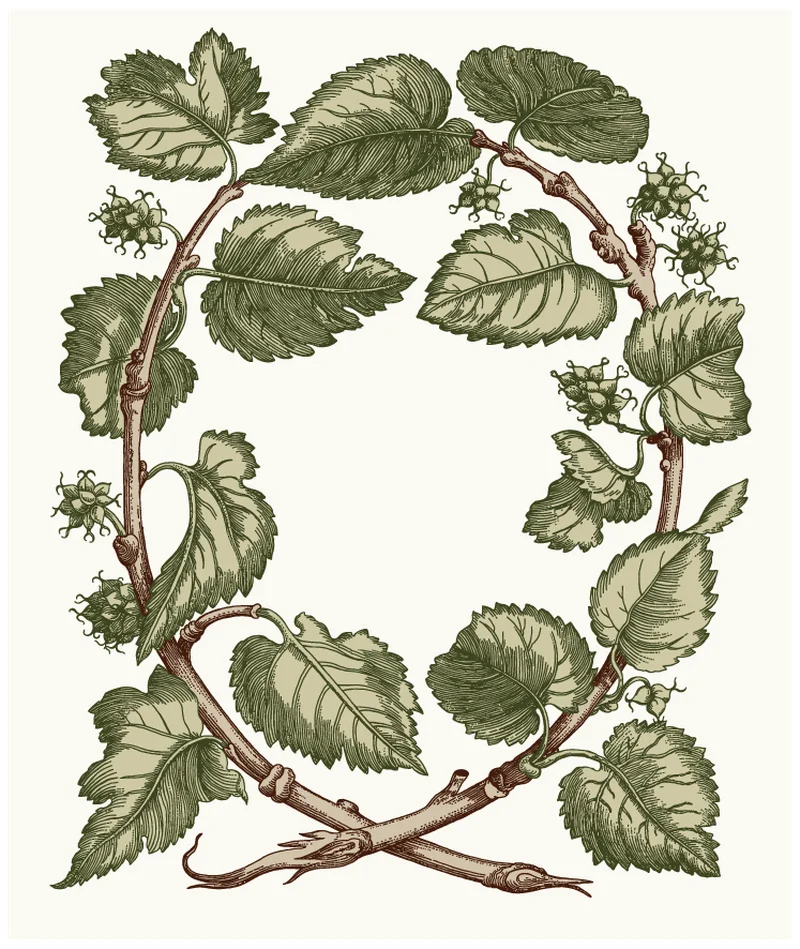
This green wreath demonstrates the enduring appeal of simple, monochrome botanical design. No flowers — just leaves and berries in varying shades of green. The restraint is what makes it so versatile: it works as a logo frame, a wedding monogram border, or a decorative element in editorial design. Browse more floral wreath designs.
3. Vibrant Botanical Bouquets
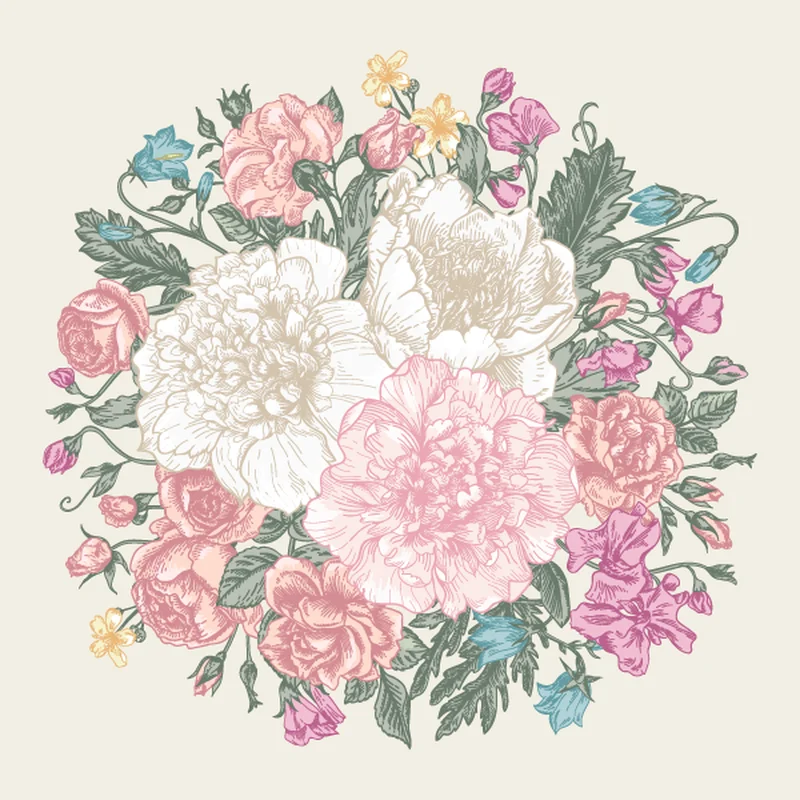
Unlike the controlled symmetry of borders and wreaths, botanical bouquets celebrate natural abundance. Flowers are arranged as if freshly gathered — tulips, irises, poppies, and roses spilling in different directions. This style captures the energy and color of a garden in full bloom.
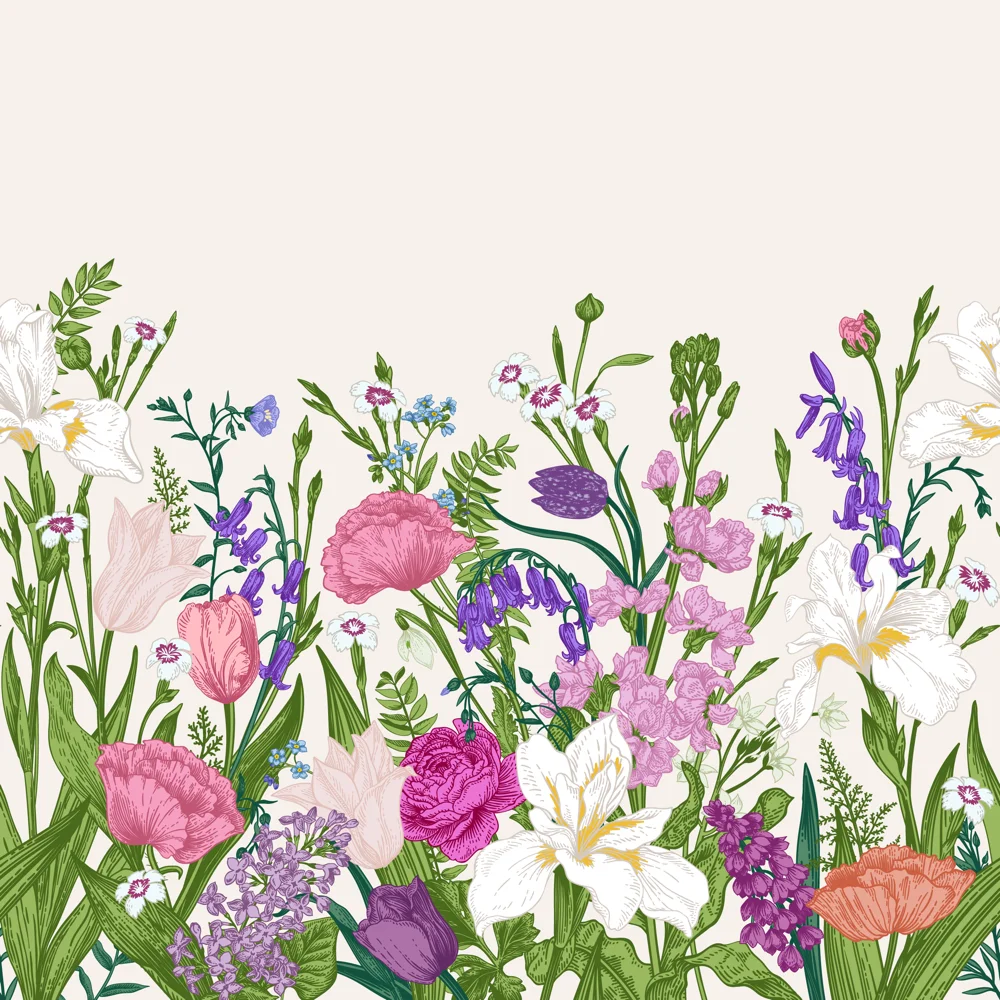
The bouquet format is ideal for products that want to communicate natural abundance: food packaging, cosmetic labels, and home decor. The mixed-flower approach also allows for richer color palettes than single-species illustrations. Explore more botanical art.
4. Ornamental Medallions and Centerpieces
Medallions — circular or diamond-shaped ornamental centerpieces — represent the most formal and decorative tradition in botanical illustration. These designs combine flowers, figures, and geometric structures into elaborate focal points. Historically used in book frontispieces, certificate seals, and architectural decoration.
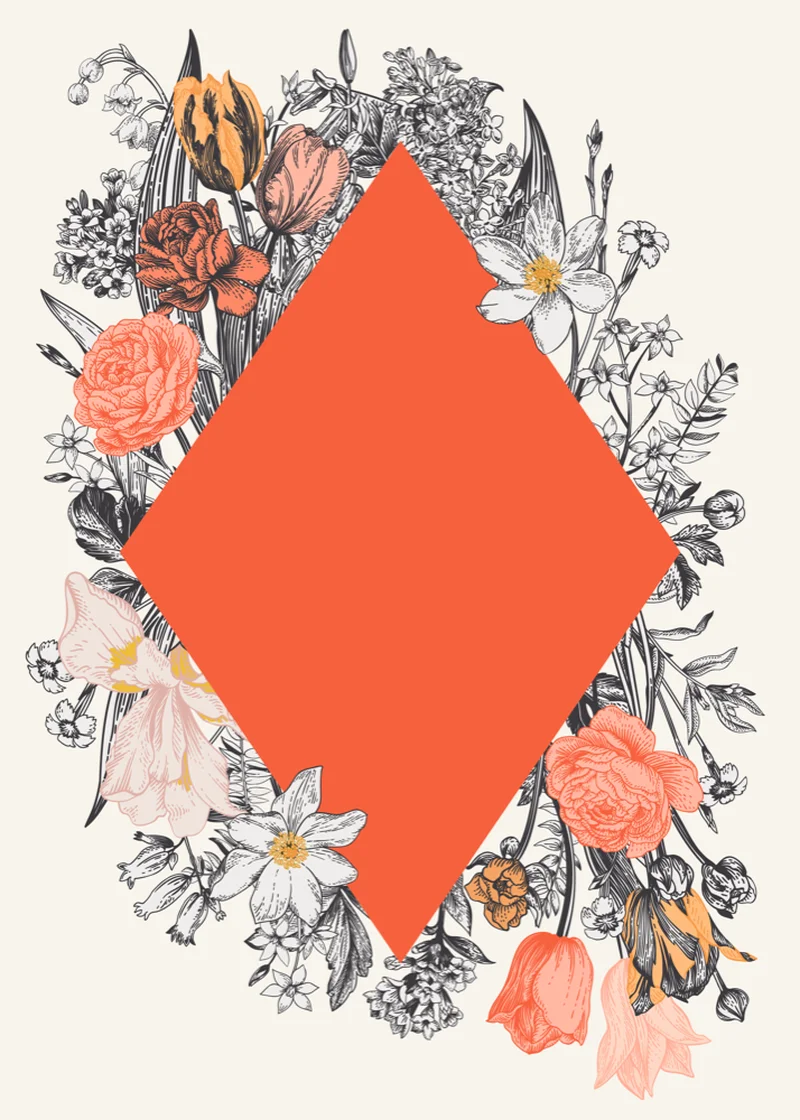
This red diamond centerpiece demonstrates the Baroque love of symmetry, ornamentation, and visual drama. The diamond shape creates a strong focal point, while the radiating floral elements add movement and energy. Designers use these medallions as decorative accents in luxury branding, certificate design, and premium packaging.
5. Birds and Botanicals: Natural History Illustration
The tradition of combining birds with botanical elements comes from natural history illustration — the same scientific tradition that produced Audubon’s bird paintings and Victorian nature journals. Birds perched on flowering branches, surrounded by foliage, represent a uniquely charming subgenre of botanical art.
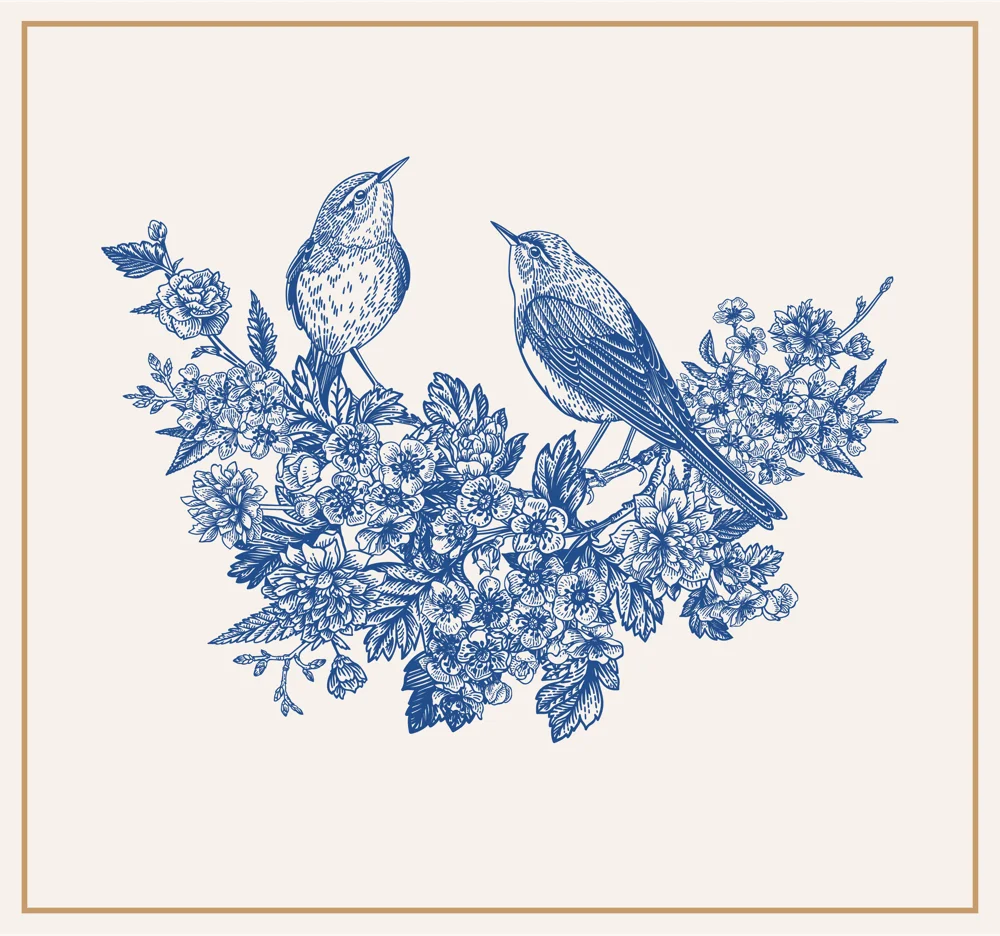
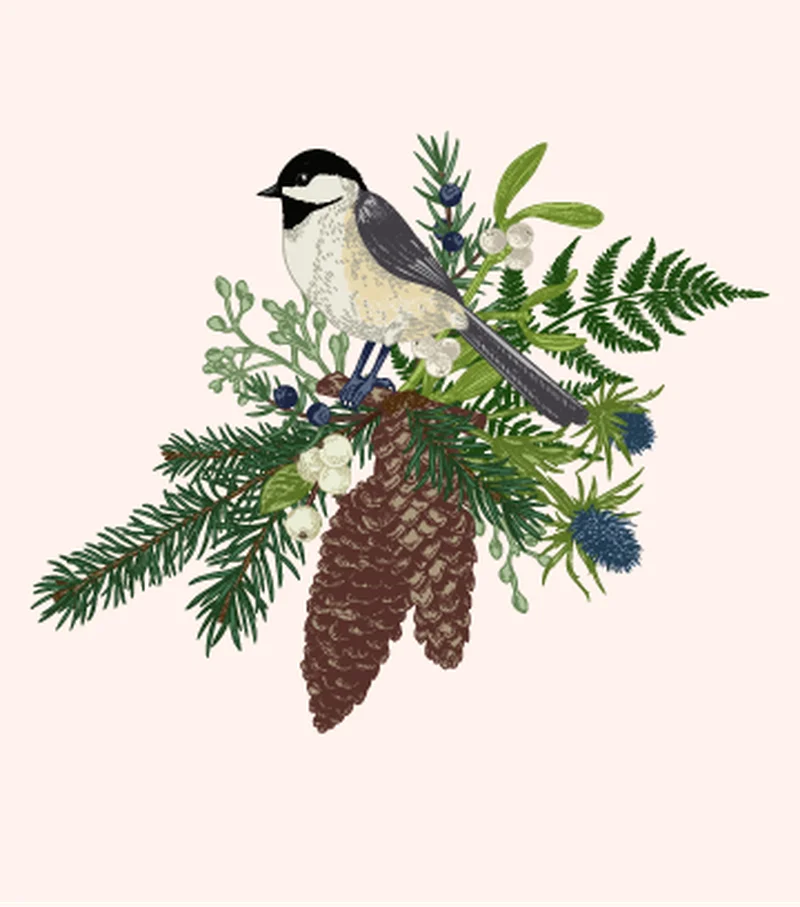
These bird-and-flower compositions add life and narrative to botanical art. A wreath is beautiful — but a wreath with a bird tells a story. Designers love these illustrations for editorial layouts, greeting cards, and brand identities that want to communicate warmth and natural authenticity.
The Color Palettes of Vintage Botanical Art
One of the most striking aspects of this collection is the range of color treatments applied to the same fundamental subject matter:
- Pastel palettes — soft pinks, creams, and sage greens. Perfect for wedding design and feminine branding. The pastel treatment softens the scientific precision of the illustrations into something romantic.
- Vibrant palettes — bold reds, purples, and blues against dark backgrounds. Inspired by Dutch still life painting, this treatment creates drama and luxury.
- Monochrome green — various shades of green only. The most versatile for logo frames and corporate design.
- Black and white line art — pure engraving style with no color. The most flexible for designers because it can be recolored, inverted, or overlaid on any background.
The Cherub Medallion: When Botany Meets Figurative Art
Some vintage illustrations go beyond flowers alone. The cherub medallion below combines botanical elements with figurative art — a winged figure surrounded by roses. This style draws from Renaissance and Baroque decorative traditions, where putti (cherubs) were used to add classical elegance to ornamental designs.
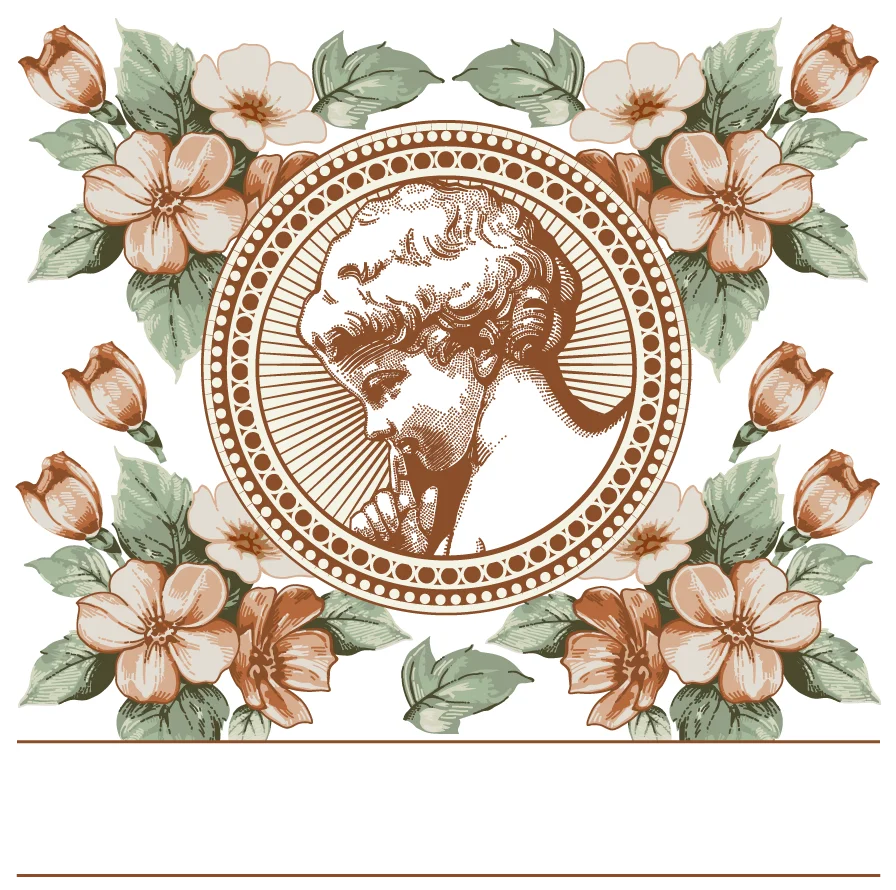
These figurative-botanical hybrids are rarer and more distinctive than pure floral illustrations. They’re ideal for luxury brands that want to communicate heritage and classical sophistication — think fine chocolates, premium spirits, or high-end cosmetics.
Black and White Line Art: The Designer’s Most Flexible Tool
Among the most practical formats in vintage botanical illustration is pure black-and-white line art. These designs can be recolored to match any brand palette, inverted for dark backgrounds, or used as overlays. They’re the Swiss Army knife of botanical design resources.
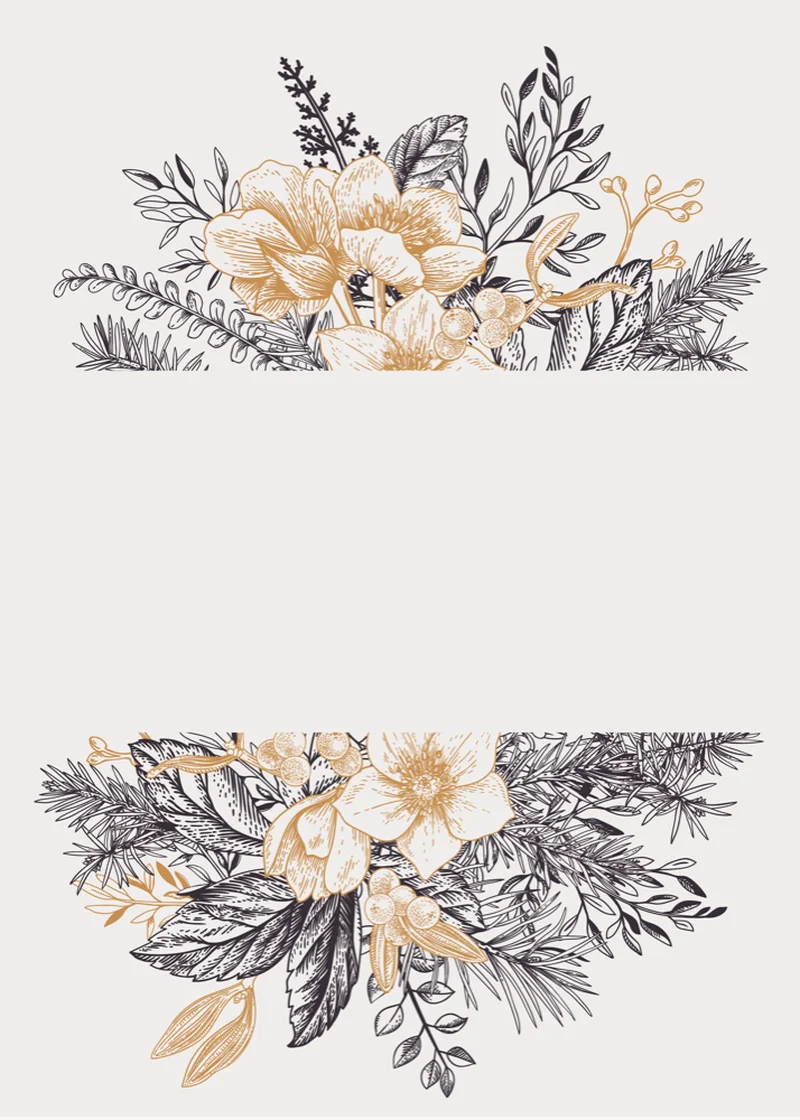
For designers, line art is the most adaptable starting point. Add a single color and it becomes a logo element. Place it on a textured background and it becomes packaging decoration. Use it as a watermark and it becomes brand identity. The possibilities are limited only by imagination.
How Designers Use Vintage Botanical Illustrations Today
- Wedding stationery — wreaths, borders, and bouquets are the most popular decorative elements for invitations, menus, and thank-you cards.
- Packaging design — botanical illustrations lend instant heritage and craftsmanship to product packaging, especially in food, beverage, and cosmetics.
- Wallpaper and textile design — the repeating patterns of vintage florals translate beautifully to large-scale surface design.
- Digital design — botanical elements add organic warmth to websites, social media graphics, and app interfaces.
- Logo and brand identity — a single botanical wreath can become the cornerstone of a brand’s visual identity, especially for artisanal and natural-product brands.
Explore More Botanical Illustrations
Browse botanical and floral collections for free download:
- Botanical Art — scientific and decorative botanical illustrations
- Vintage Floral — antique floral patterns and ornaments
- Floral Wreaths — circular and semi-circular arrangements