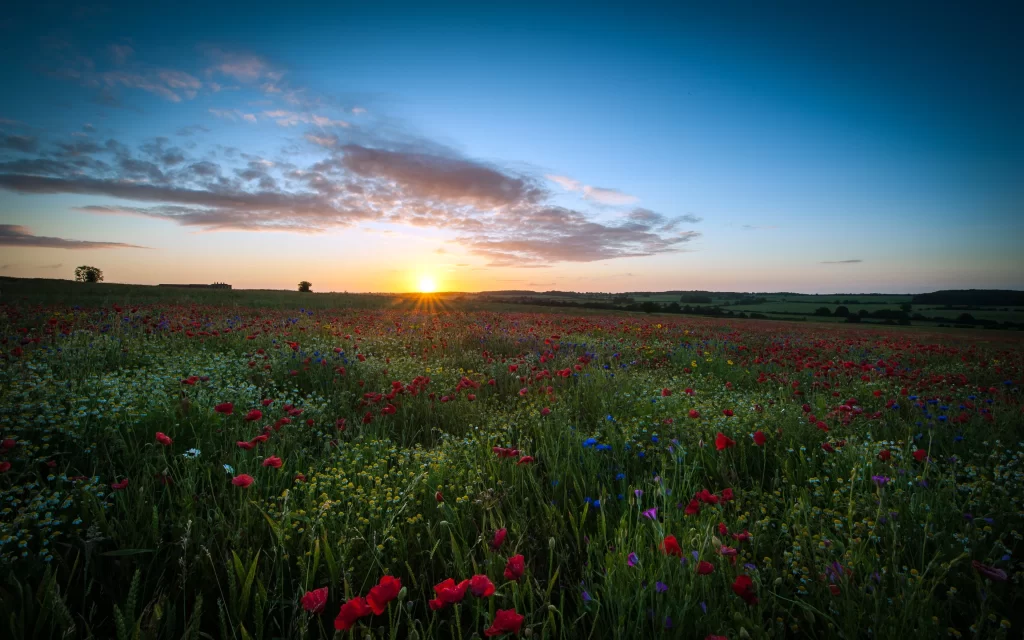
Green Grass Meadow
Topics
Details
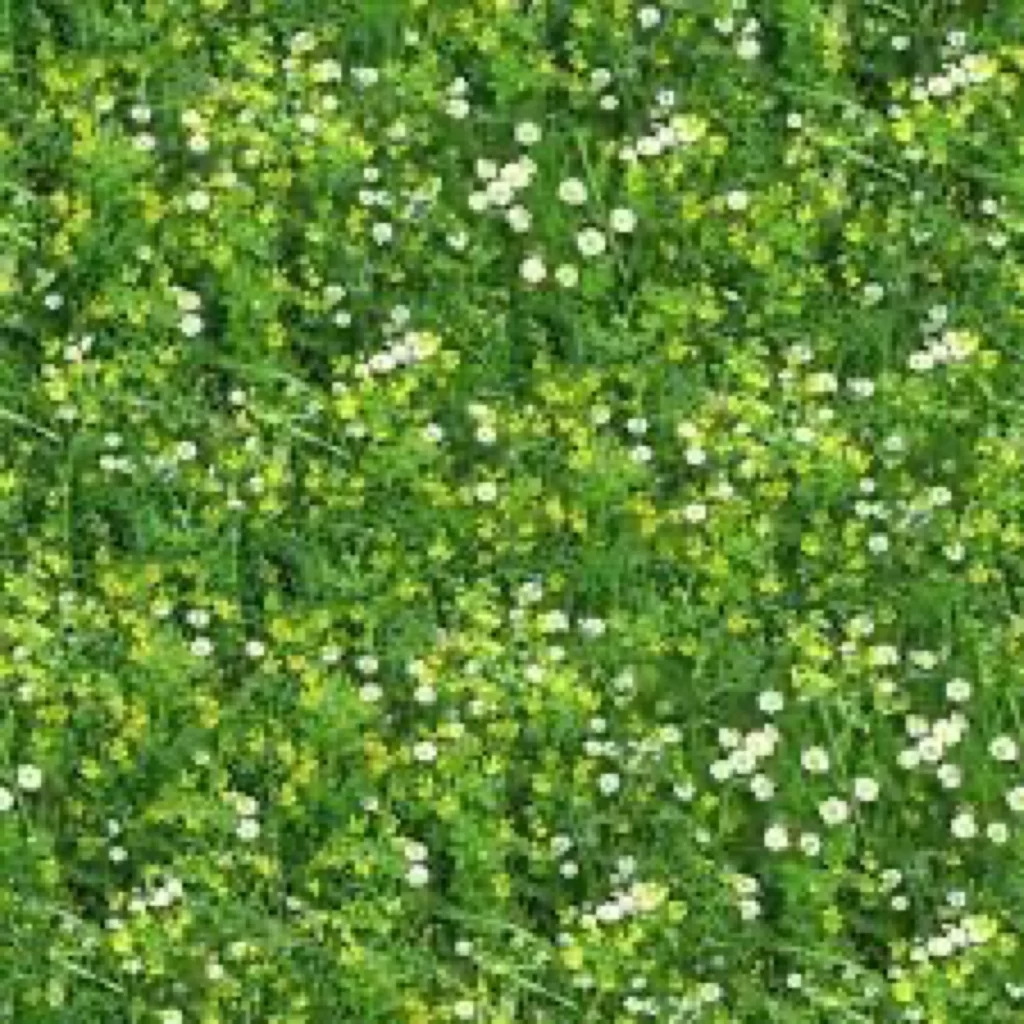
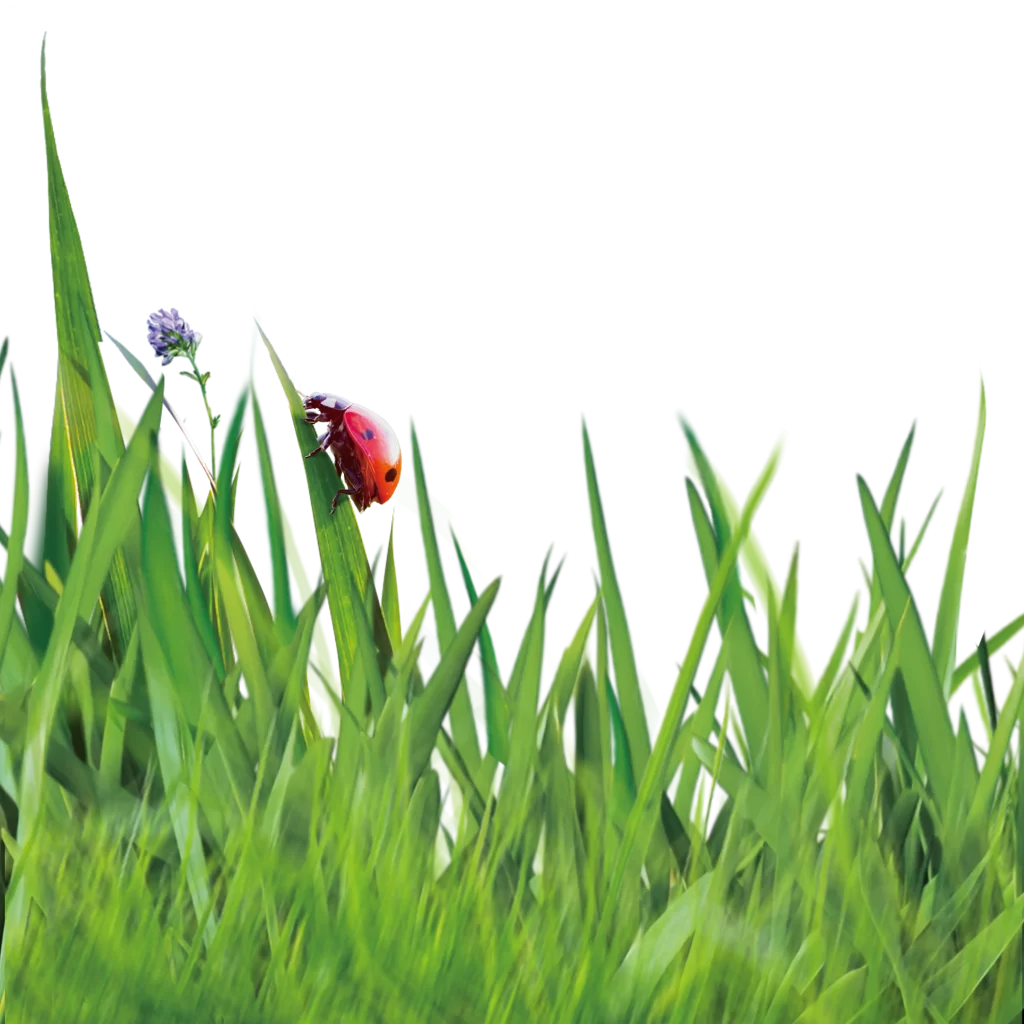
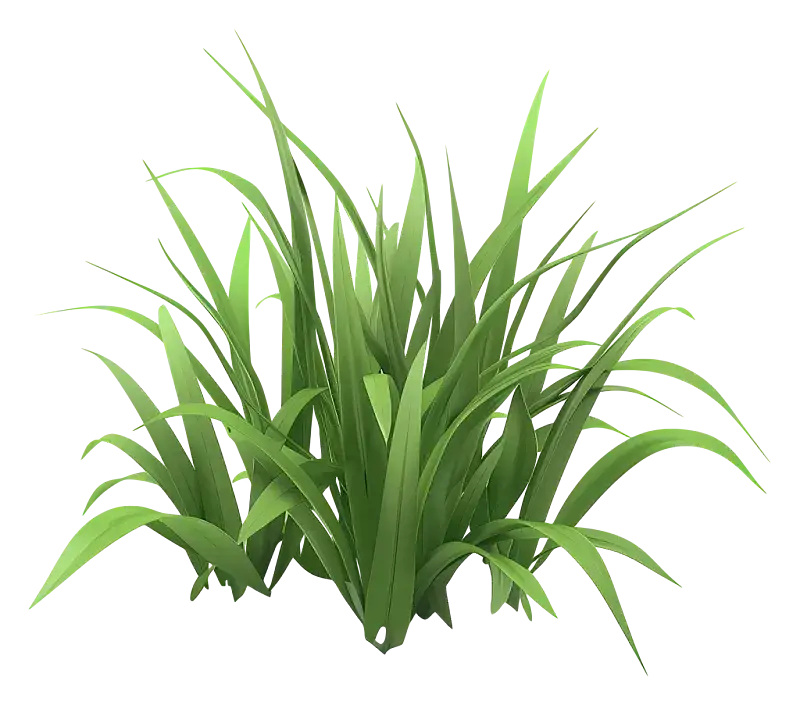
Vibrant emerald blades radiate outward from a central base, each leaf tapering to a fine point with subtle longitudinal veining visible across the surfaces. The color palette shifts from deep forest green in the shadowed lower regions to a luminous lime at the sunlit tips, creating natural depth without any artificial gradient. A clean, unadorned backdrop allows every individual blade to maintain crisp definition, while soft, diffused lighting eliminates harsh shadows and highlights the organic curvature of the foliage.
What distinguishes this particular specimen is its architectural layering, where shorter outer leaves cradle taller central shoots to form a convincing three-dimensional volume. The variation in blade angles—some standing rigidly vertical while others arch gracefully—prevents the cluster from appearing flat or repetitive. Subtle tonal transitions between light and dark green zones suggest realistic chlorophyll distribution rather than uniform digital coloring.
Landscape architects and environmental artists might employ this reference when drafting planting schemes for virtual gardens or architectural renderings requiring accurate grass morphology. Game environment designers could study the blade density and overlap patterns to populate meadow biomes with believable ground cover. Botanical illustrators seeking to understand how light interacts with monocot leaf structures would find the lighting behavior on these curved surfaces particularly instructive for their own work.