Molecular Structure Chemical Bonds Atoms Spheres
DownloadTopics
Details
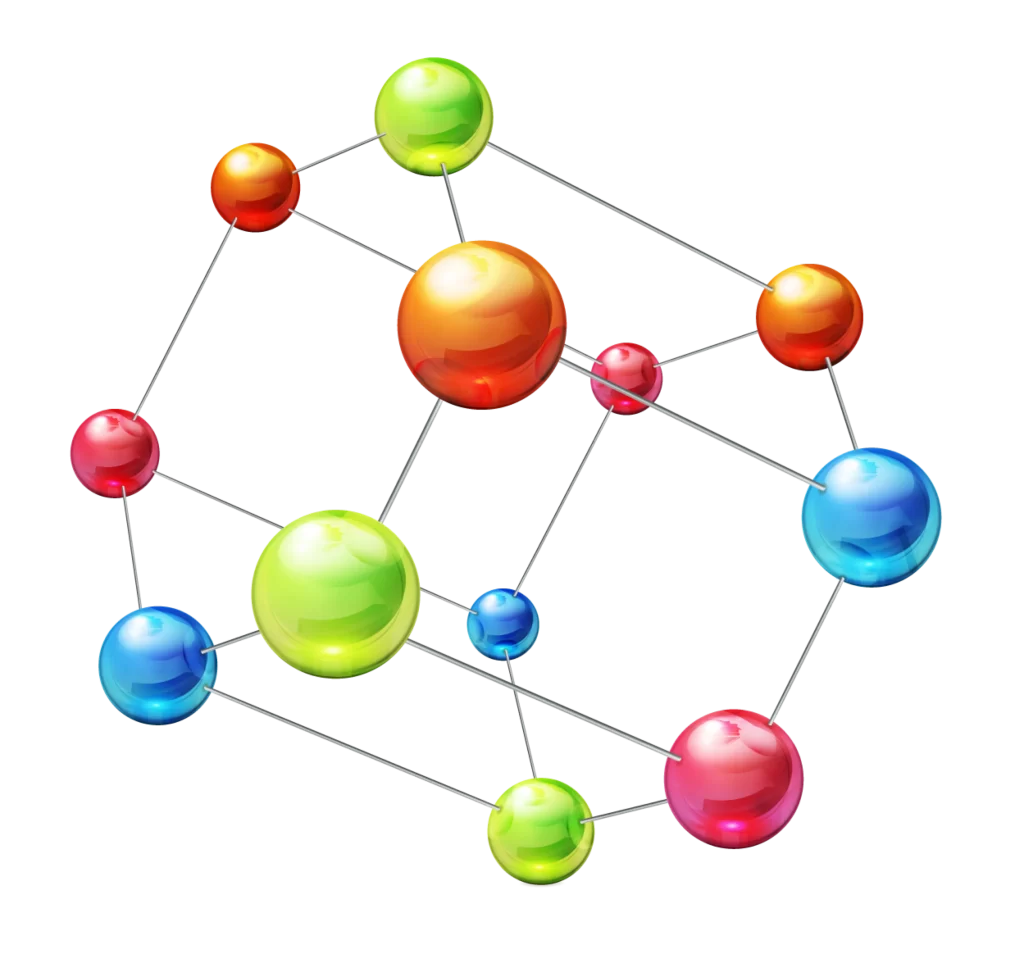
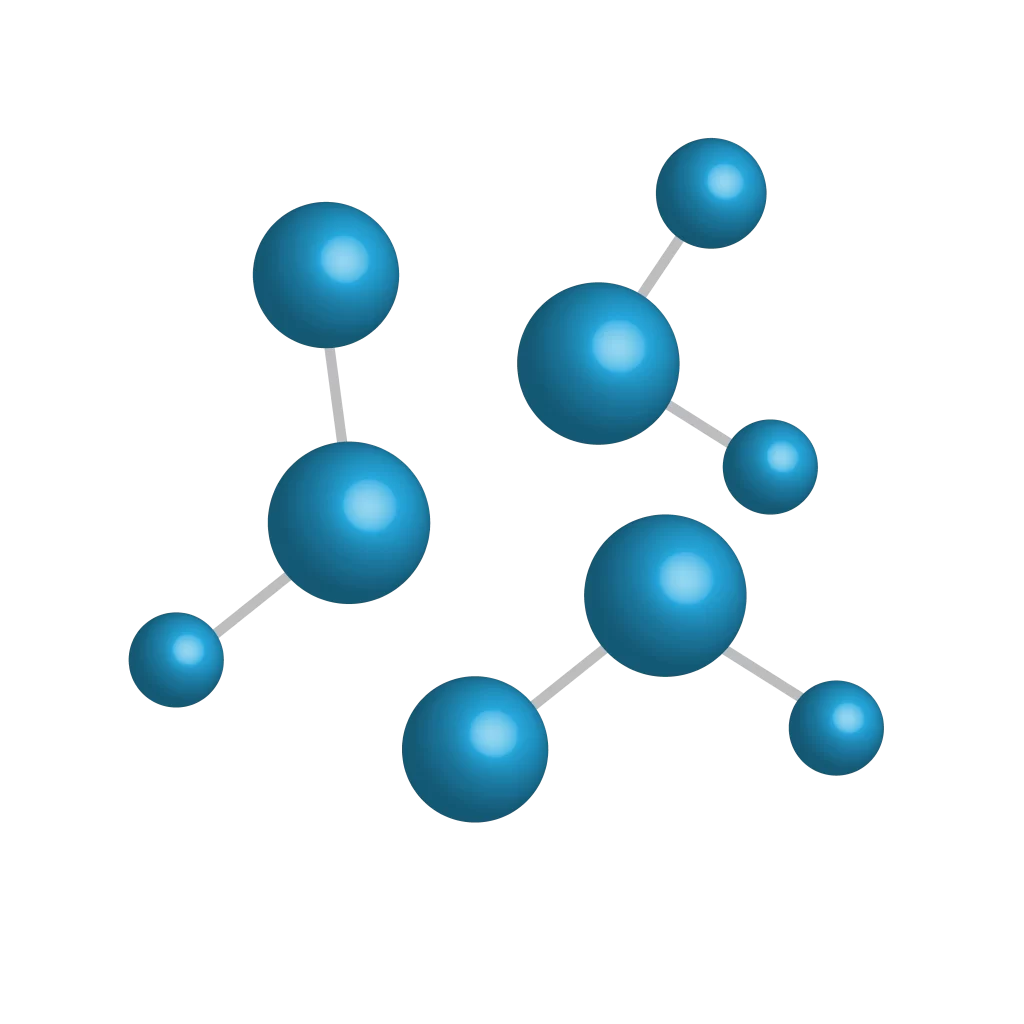
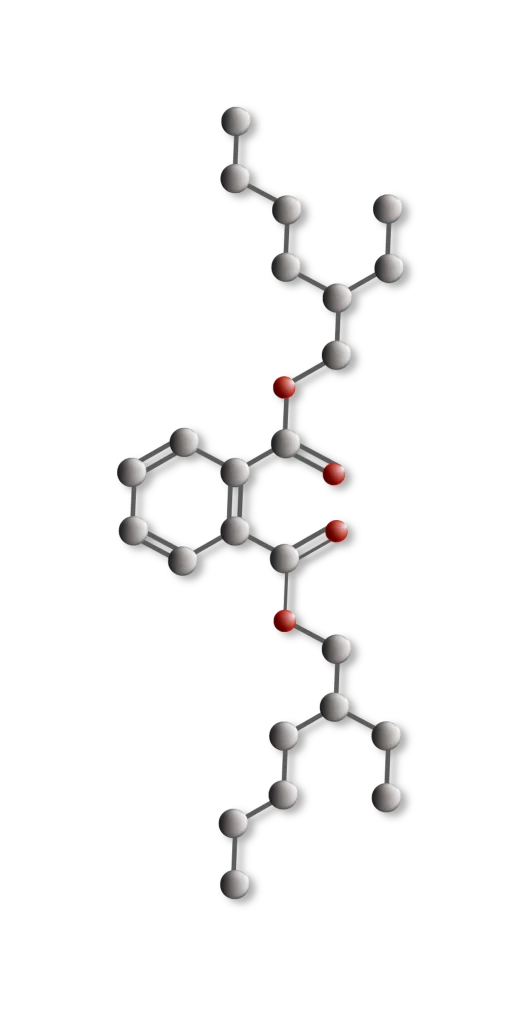
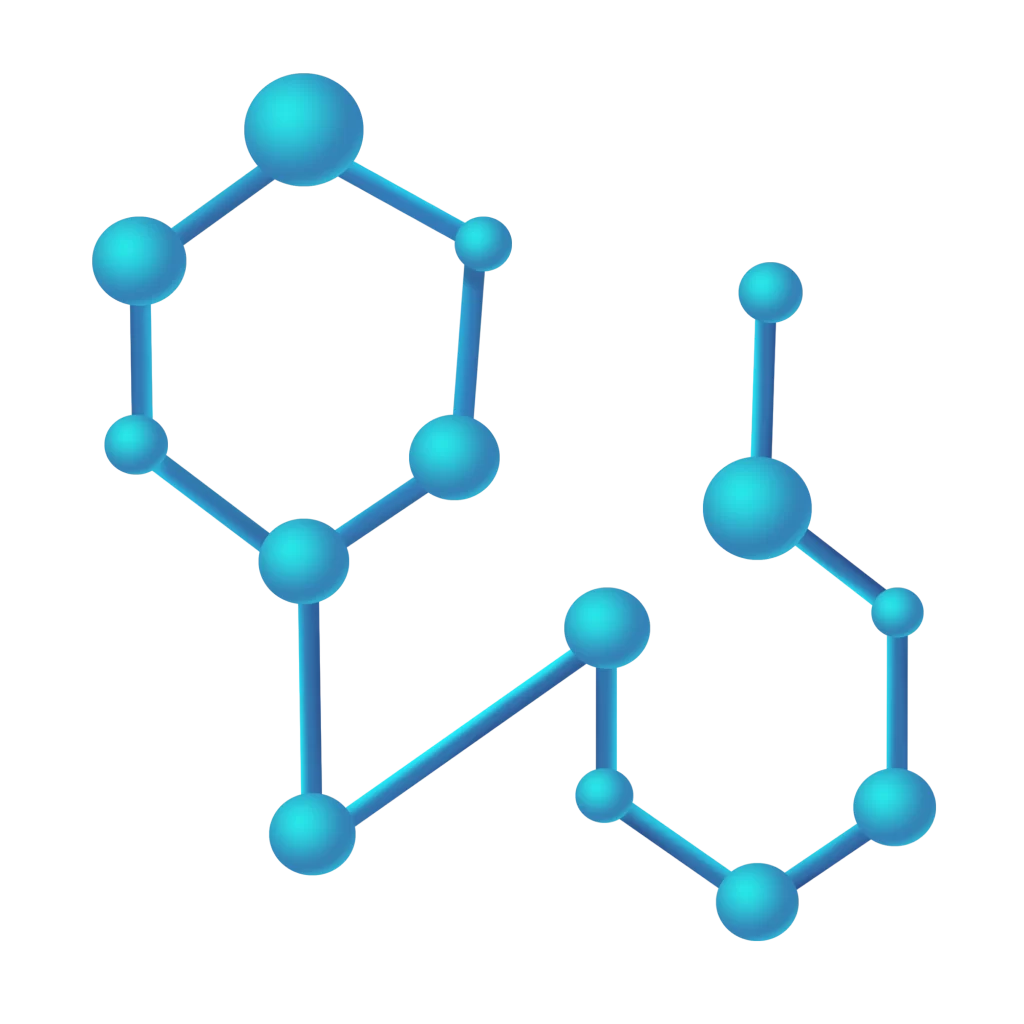
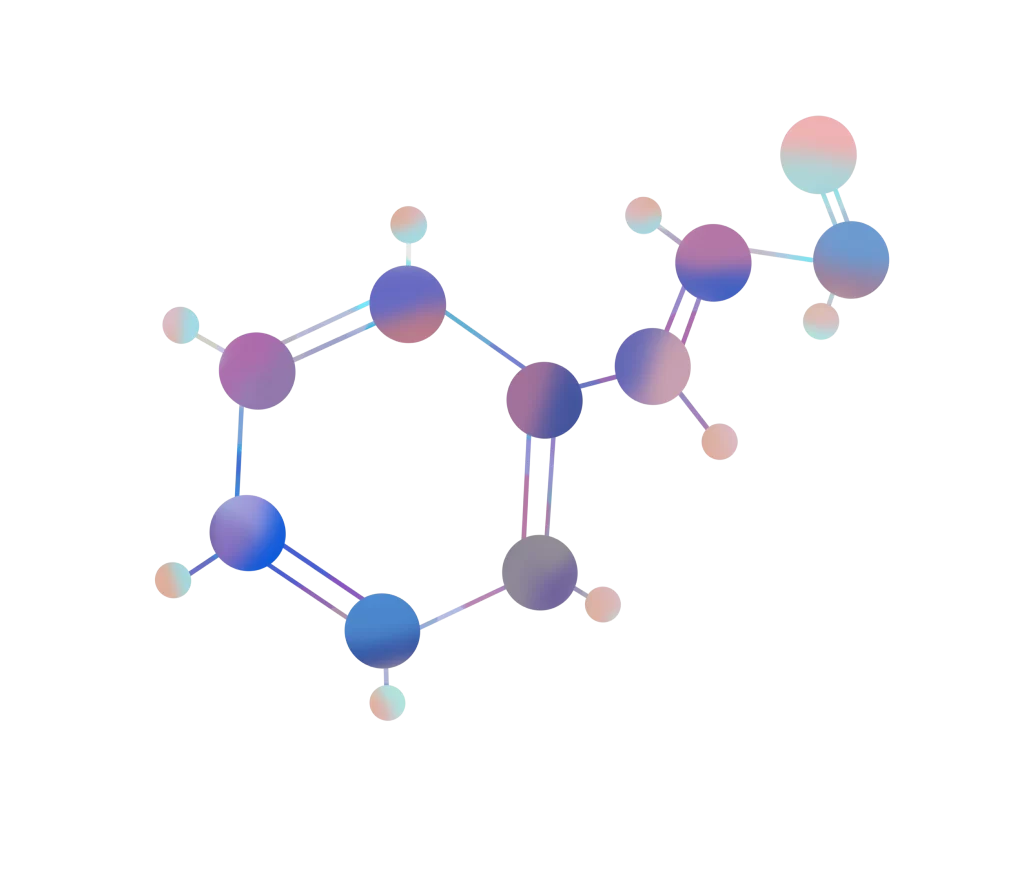
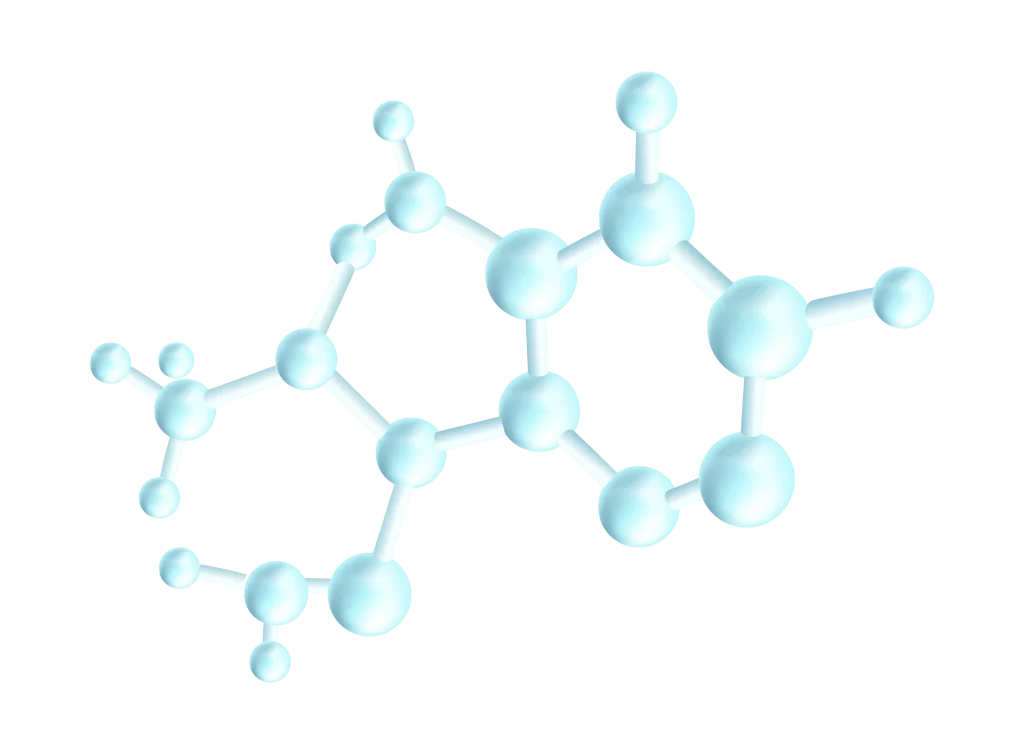
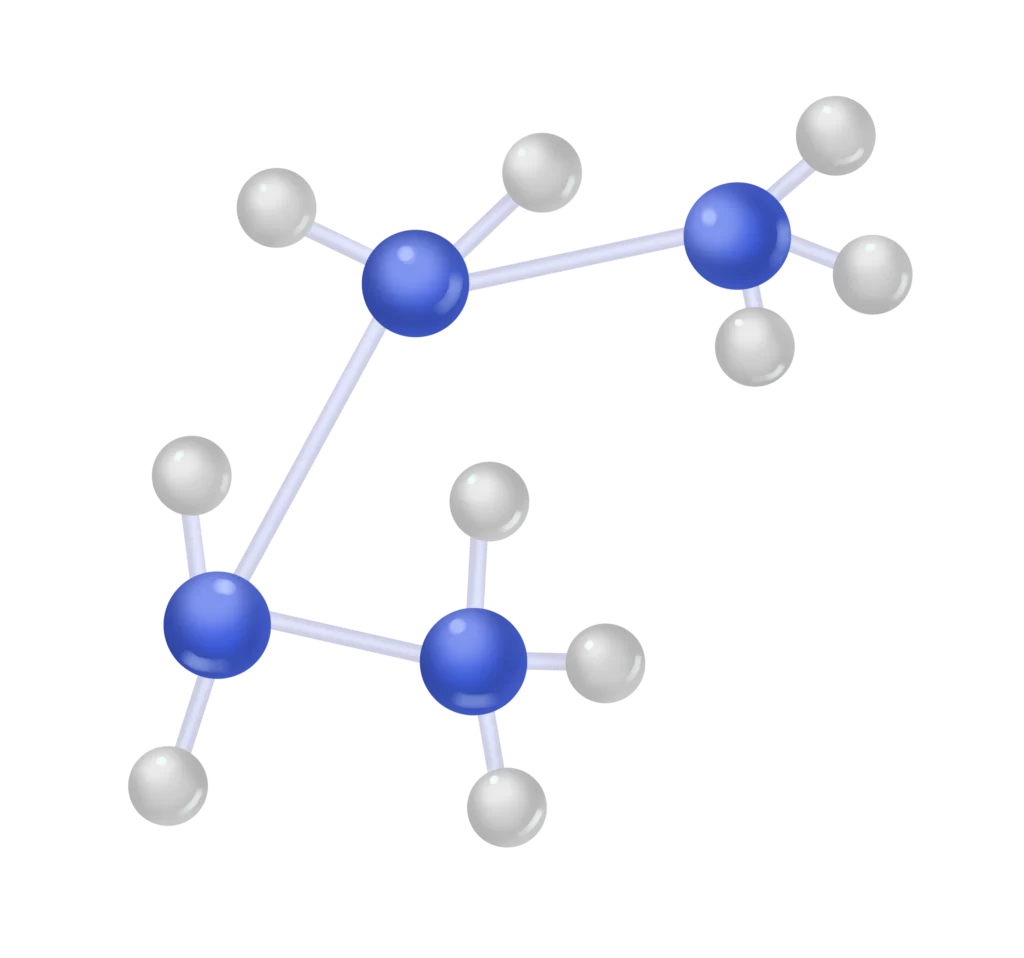
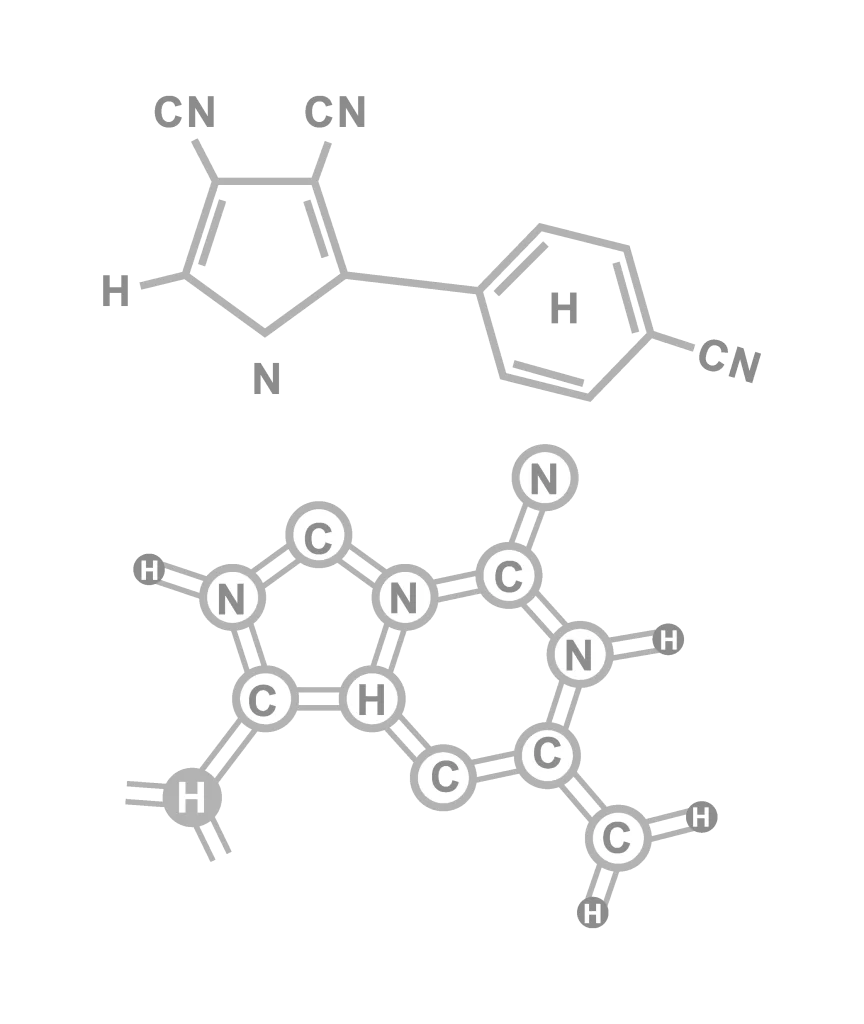
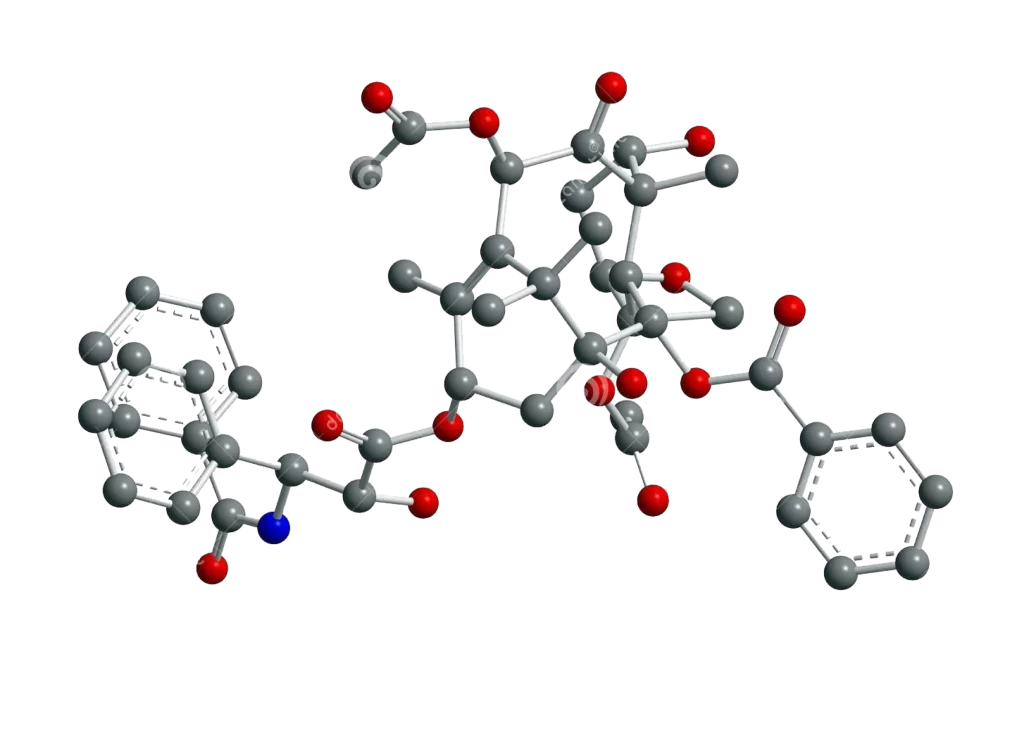
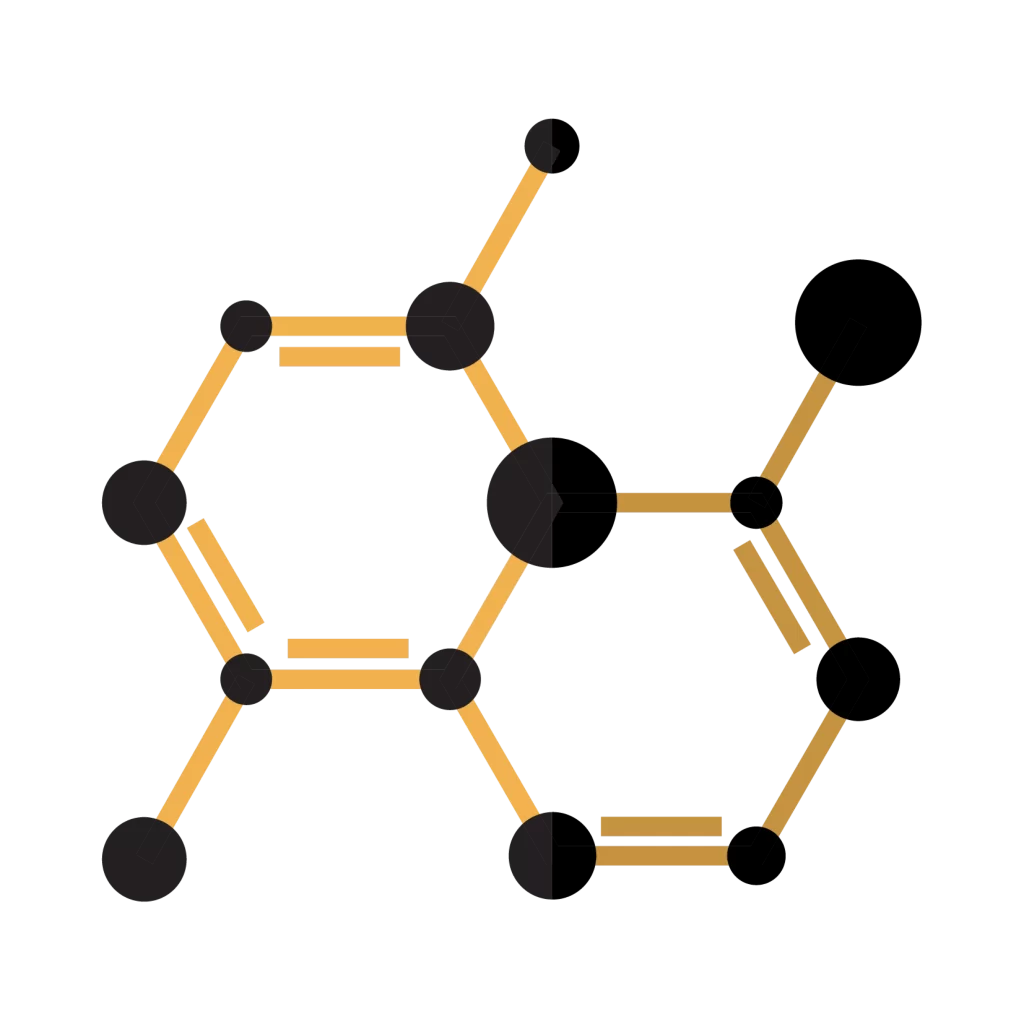
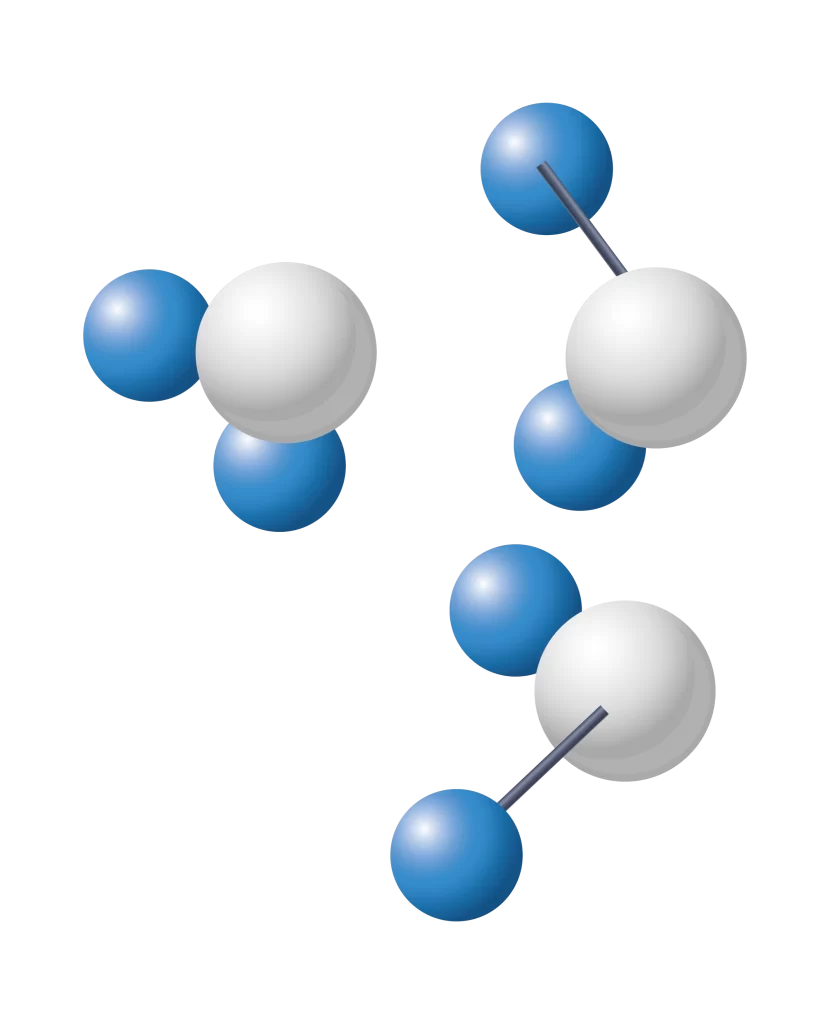
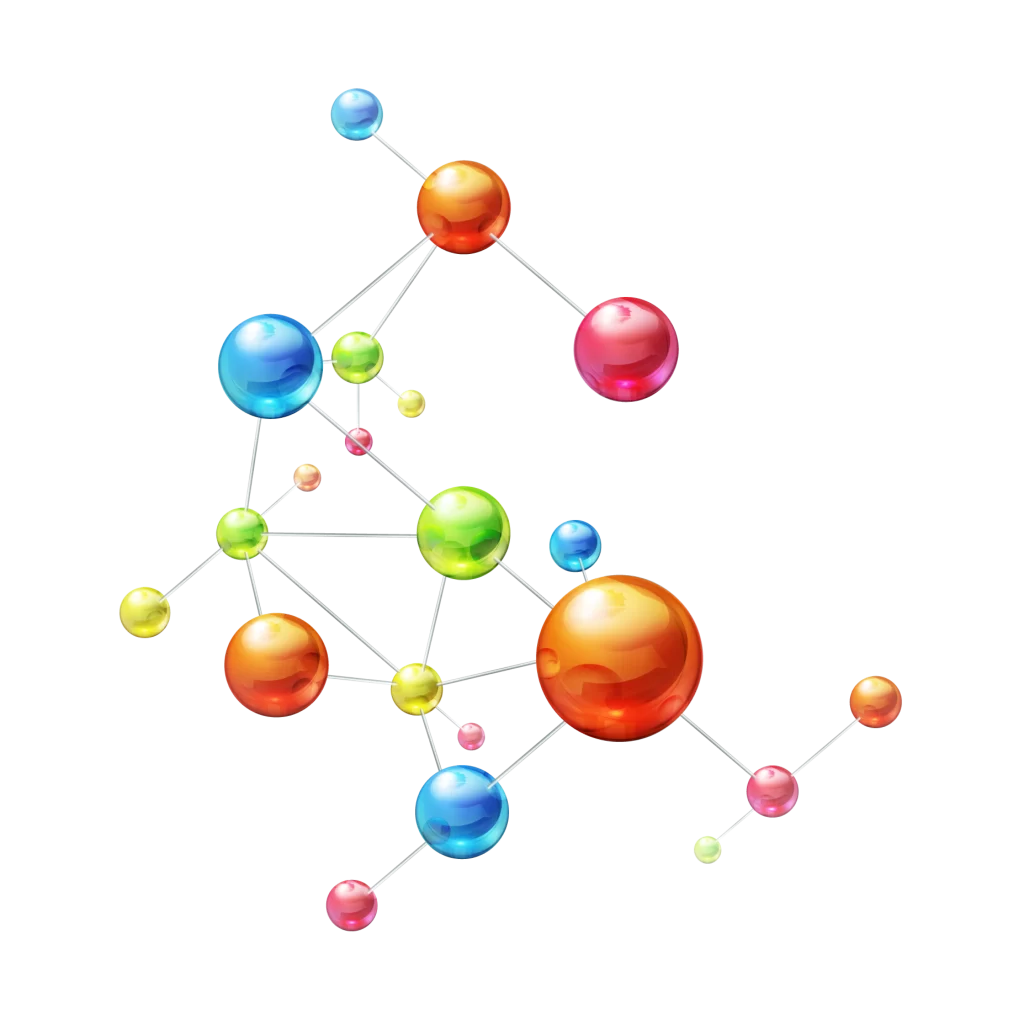
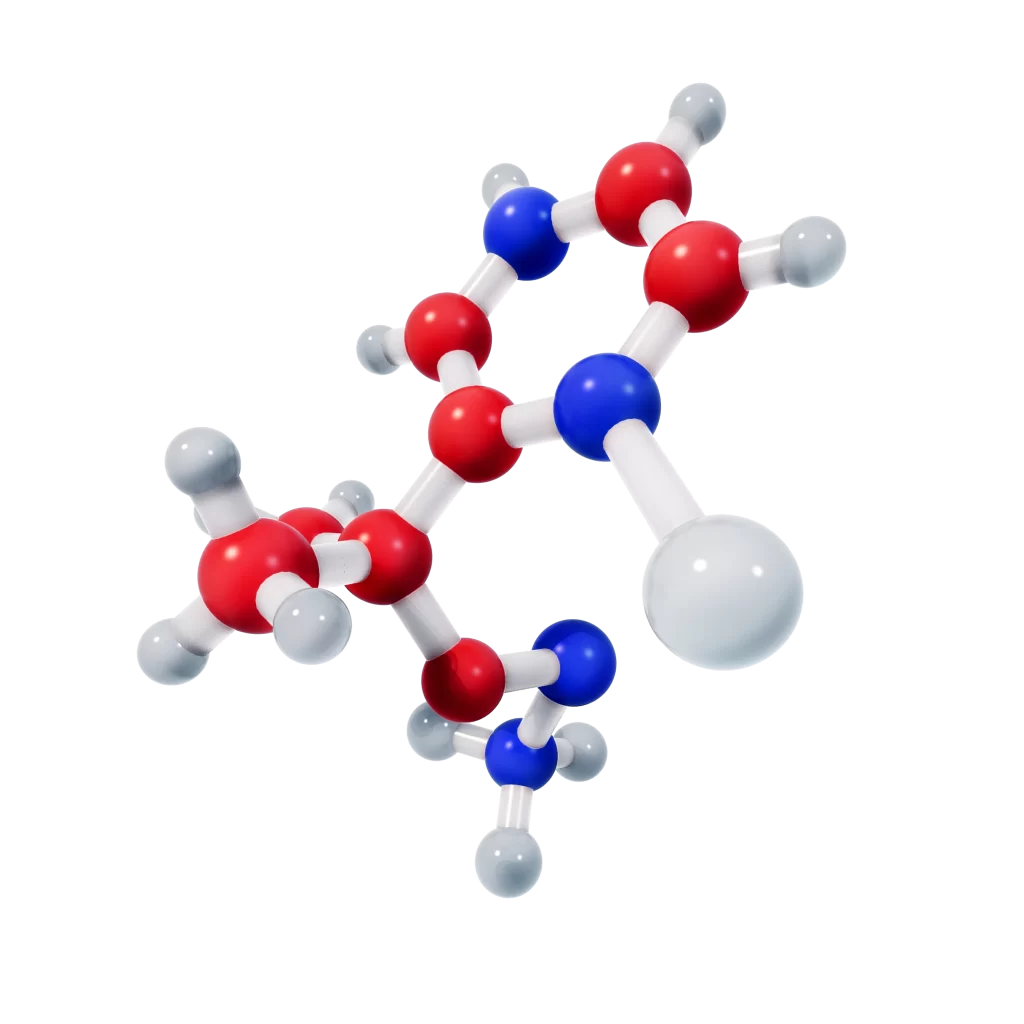
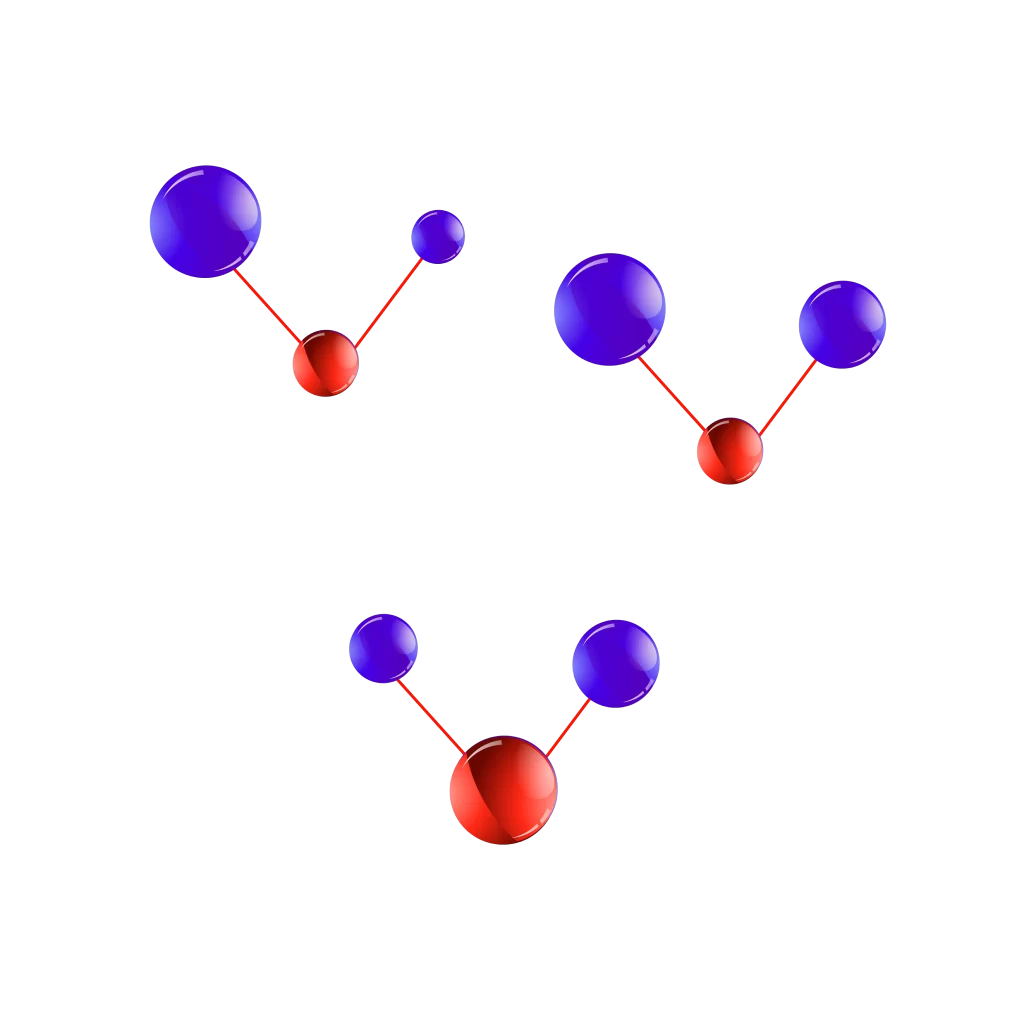
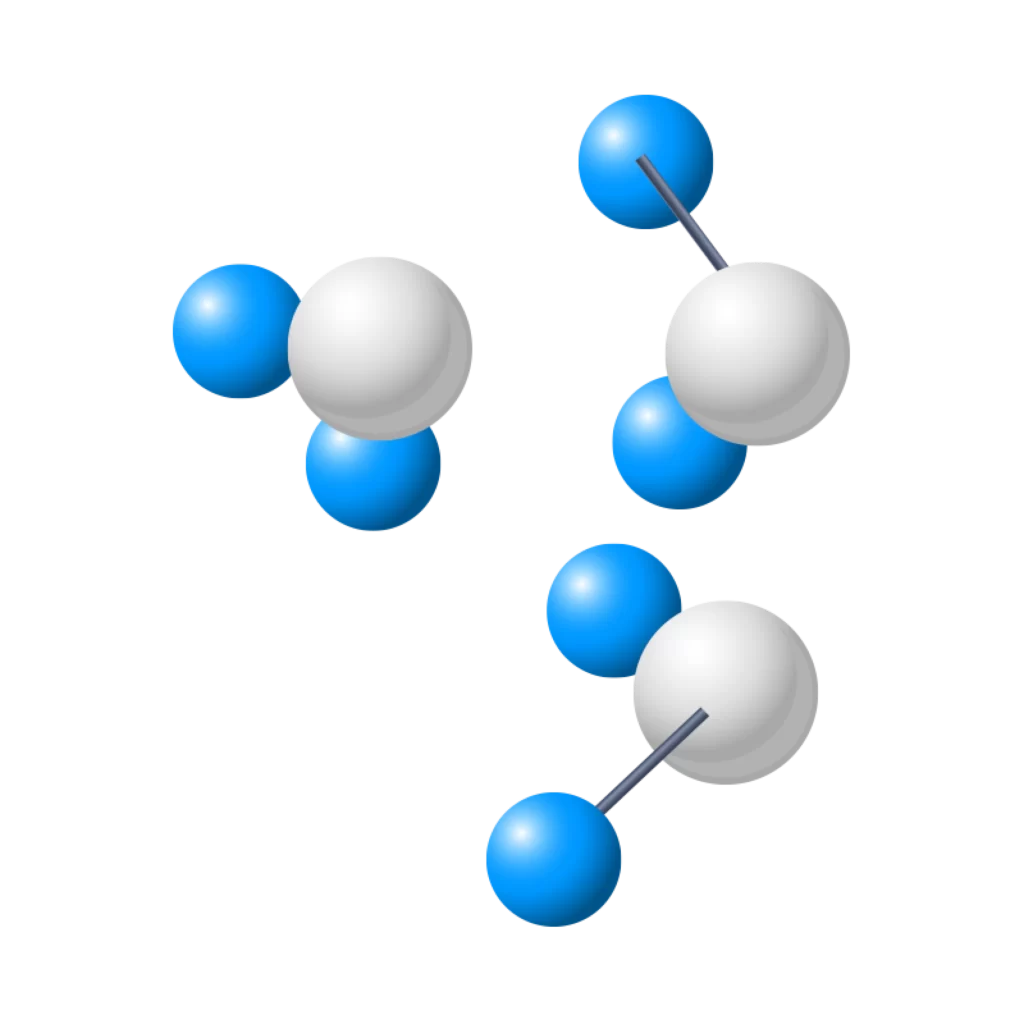
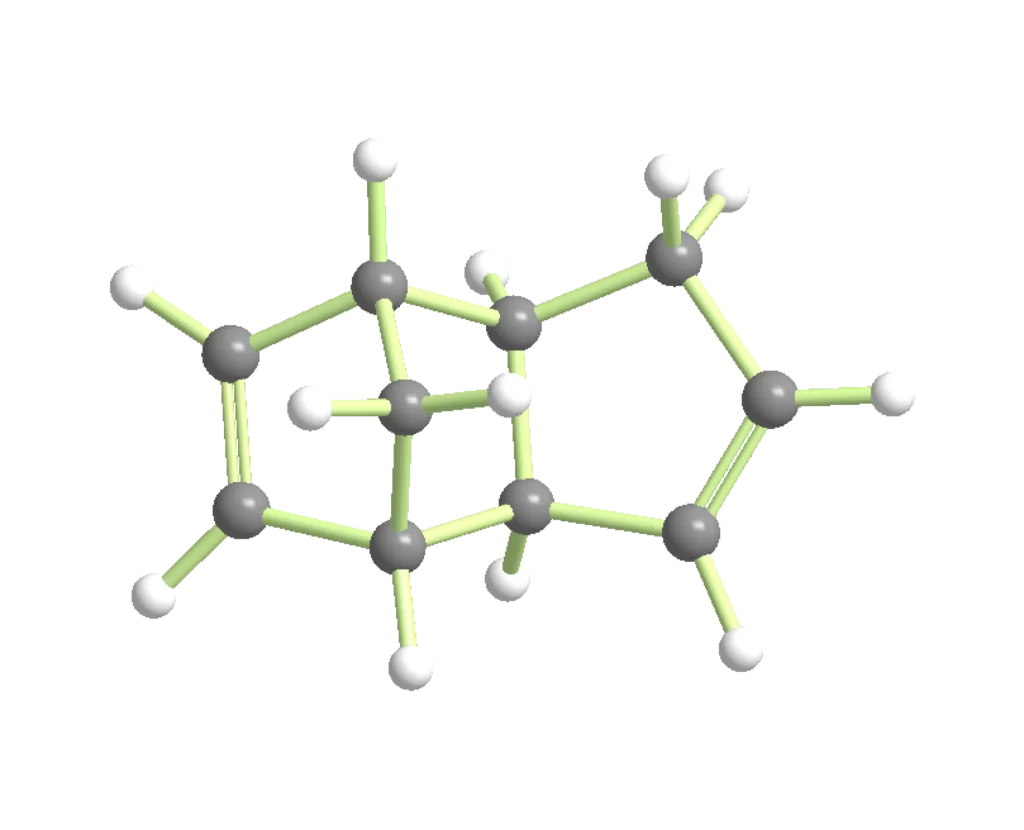
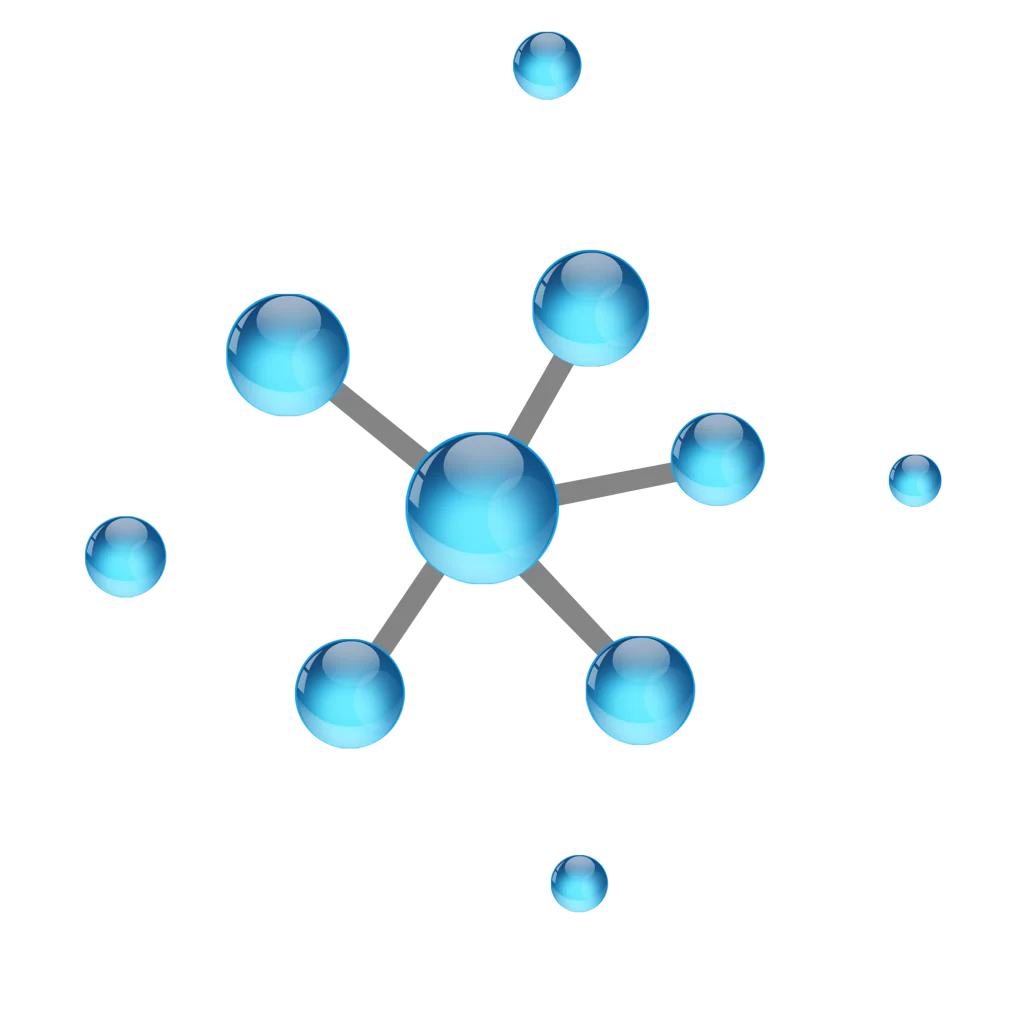
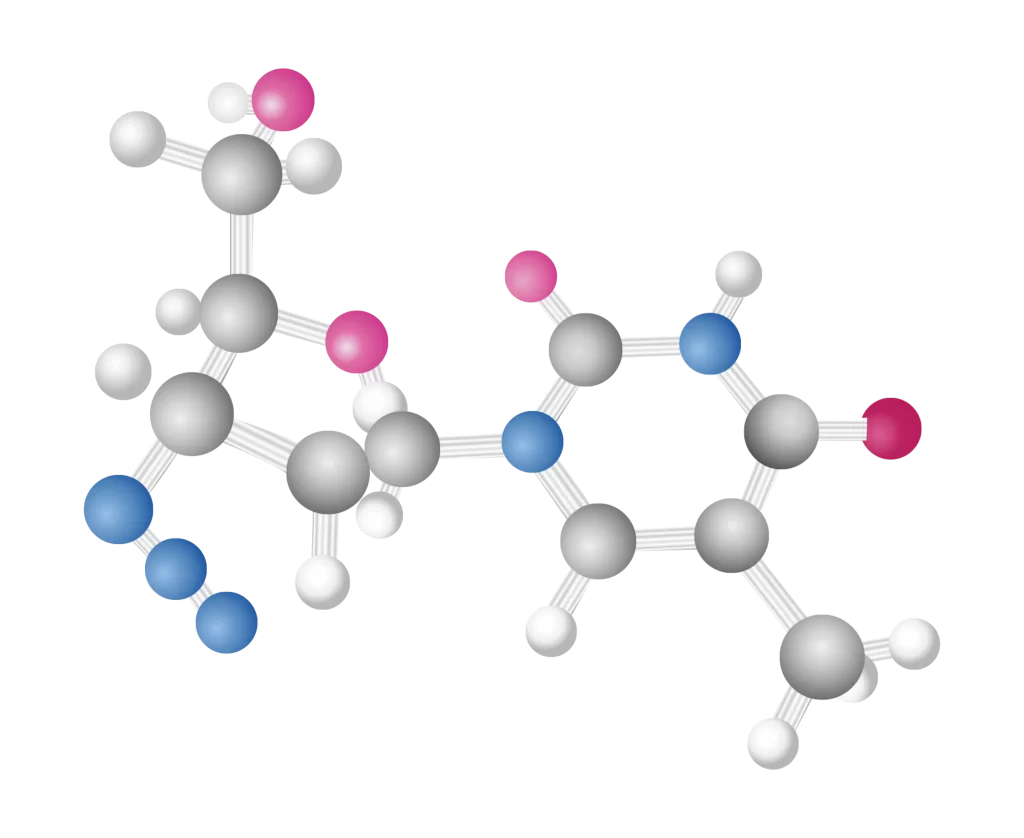
Matte gray spheres representing carbon atoms form the backbone of this ball-and-stick molecular model, connected by pale cylindrical bonds to smaller white hydrogen atoms. Vibrant pink spheres denote oxygen atoms, while deep blue spheres indicate nitrogen, and a single dark red sphere marks a distinct oxygen site on the right-hand ring. The entire assembly floats in a void of untextured light, illuminated by soft diffuse lighting that creates subtle shadows beneath each sphere, viewed from a slightly elevated three-quarter perspective.
Visual interest derives from the deliberate color-coding system that transforms abstract chemical data into an intuitive spatial map of atomic relationships. The contrast between the neutral gray carbon framework and the saturated primary colors of heteroatoms creates immediate legibility for identifying functional groups within the complex organic structure. Researchers can access the complete high-fidelity version without cost to examine these fine-grained textural details and bond geometries.
Chemistry educators utilize such models to demonstrate stereochemistry and molecular geometry to students who struggle with two-dimensional structural formulas. Scientific illustrators reference the specific shading and highlight placement on each sphere when rendering similar compounds for textbooks or pharmaceutical documentation. 3D modelers working on scientific visualization projects study the proportional relationships between atom sizes and bond lengths to ensure accuracy in their own digital constructions.