White Paper Texture
Topics
Details
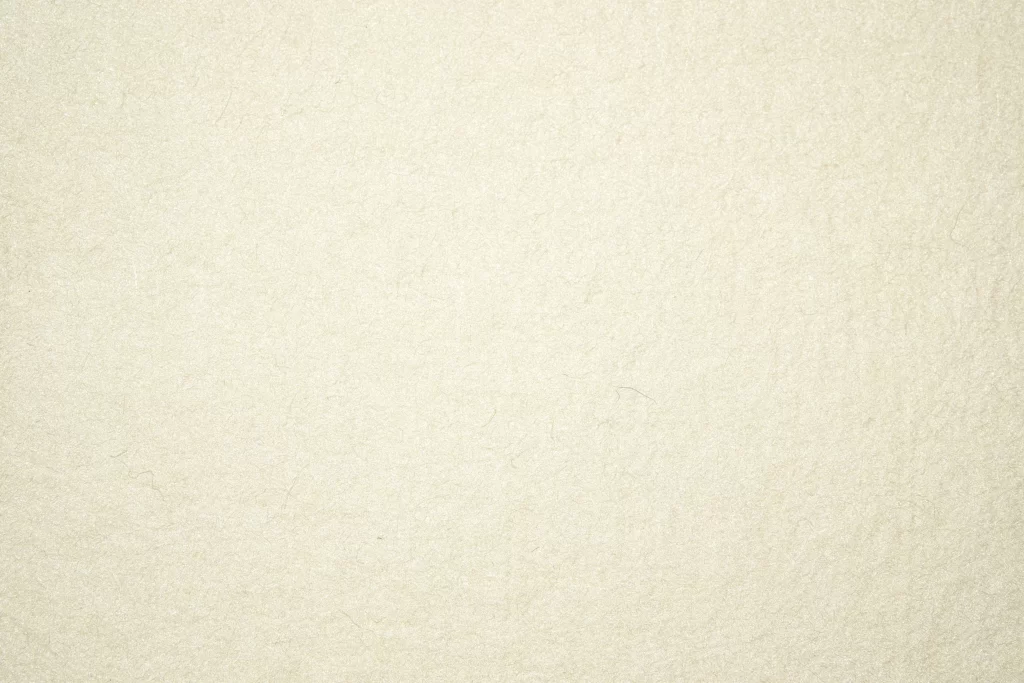
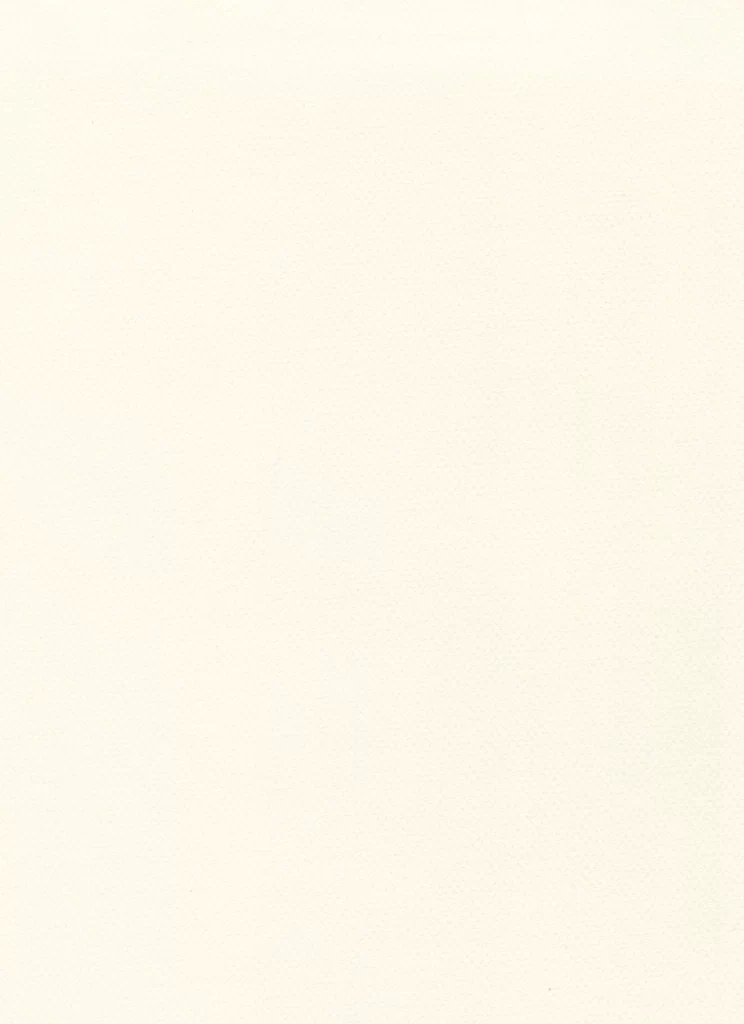
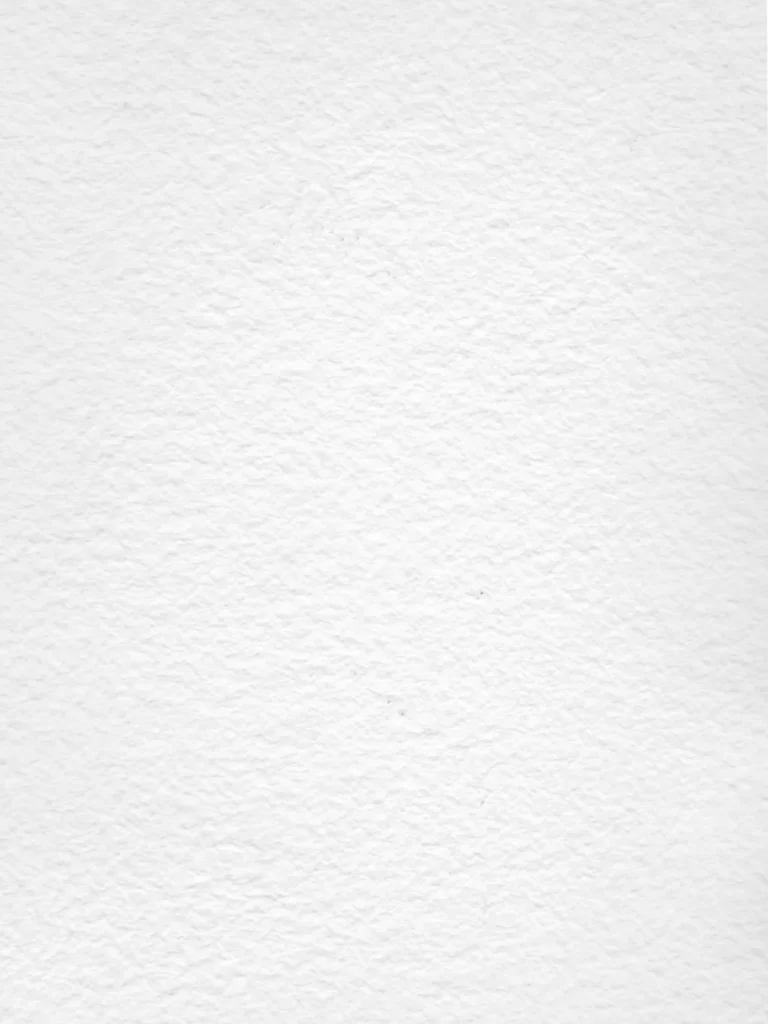
A pale, cool-toned white surface fills the frame with a subtle, irregular grain that suggests cold-pressed paper or fine plaster. The texture exhibits minute variations in elevation, creating soft shadows across the field without any discernible pattern, text, or directional lighting. Shot from a direct overhead perspective, the composition presents an uninterrupted expanse of material where the only visual interest lies in the tactile quality of the surface itself.
What distinguishes this particular specimen is its restrained, almost clinical uniformity combined with organic micro-imperfections. The absence of strong directional light allows the inherent tooth of the material to register as gentle tonal shifts rather than dramatic relief. Such understated complexity offers a neutral foundation that resists visual fatigue while providing enough surface character to prevent flatness.
Artists studying substrate behavior for watercolor or printmaking simulations will find this useful for understanding how pigment interacts with fibrous surfaces. Architects and interior designers might employ it as a base layer for material mood boards or to test shadow casting on matte finishes. Digital painters seeking authentic canvas textures for underpainting layers could also integrate this reference into their workflow to introduce subtle physical depth.