Blueberry Fruit Photography 4
Topics
Details
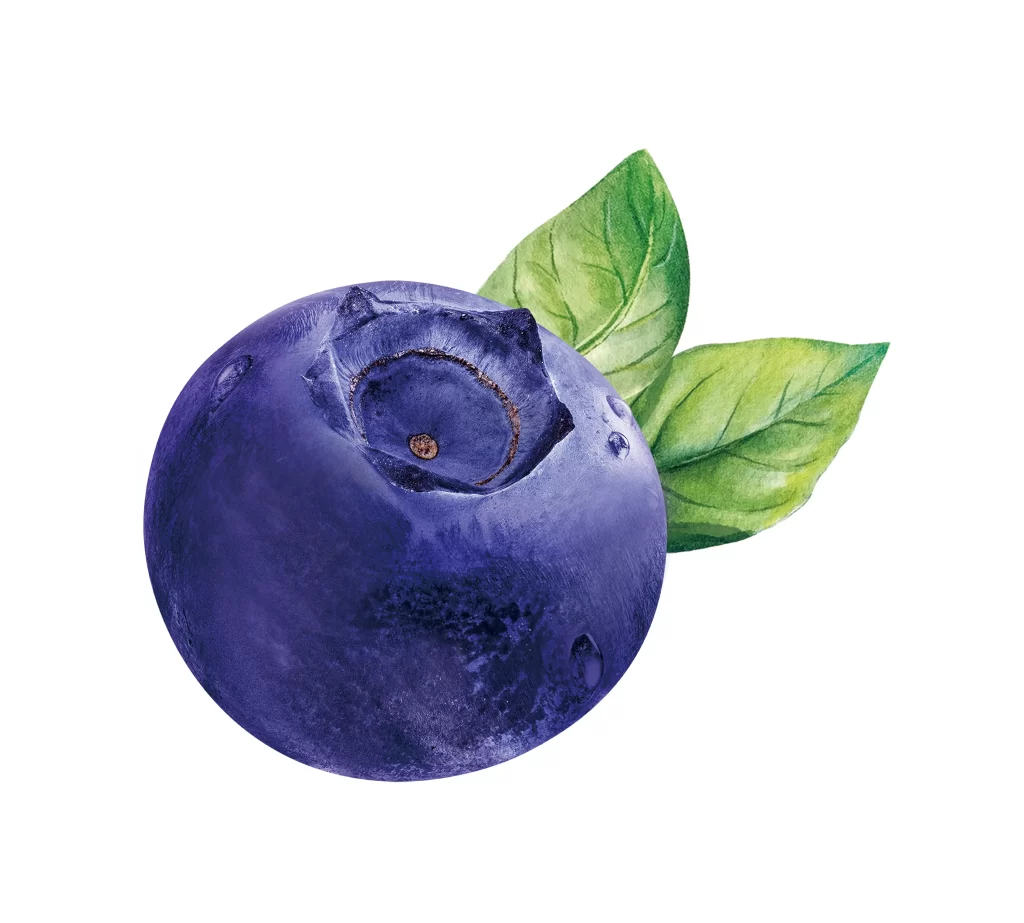
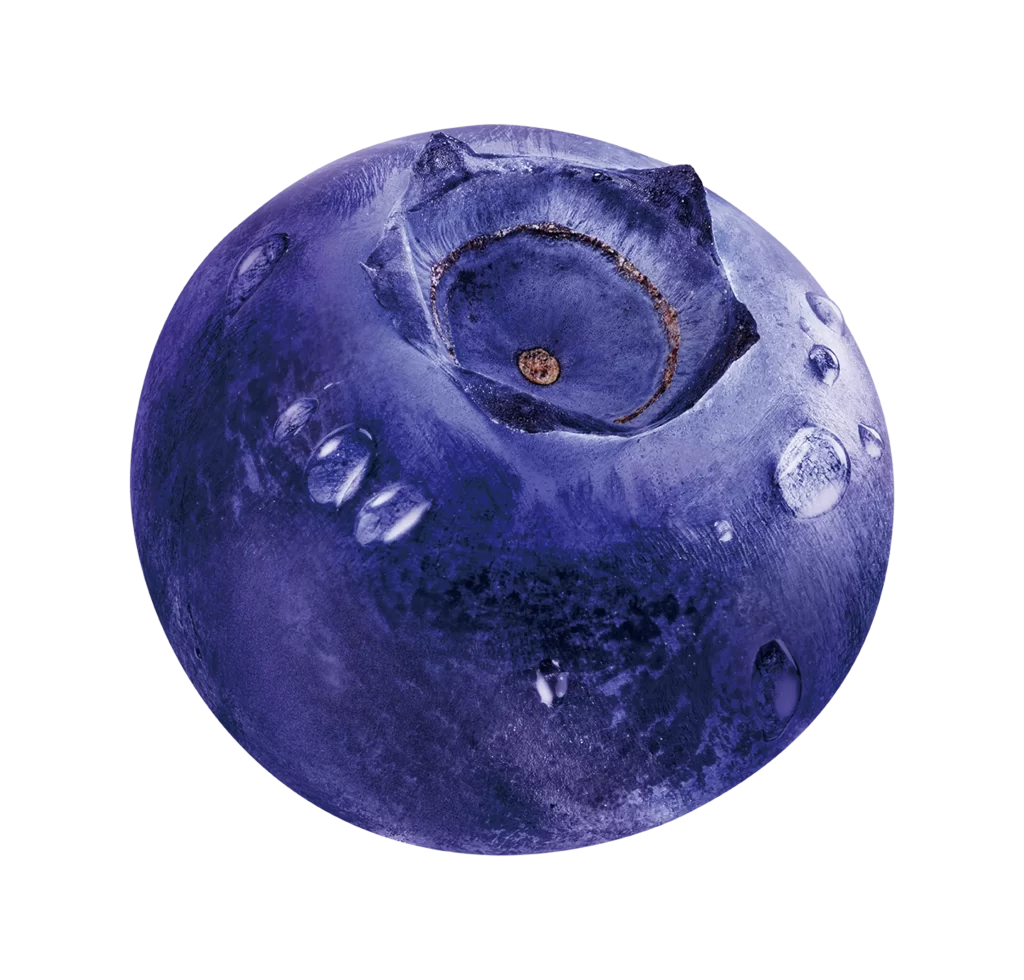
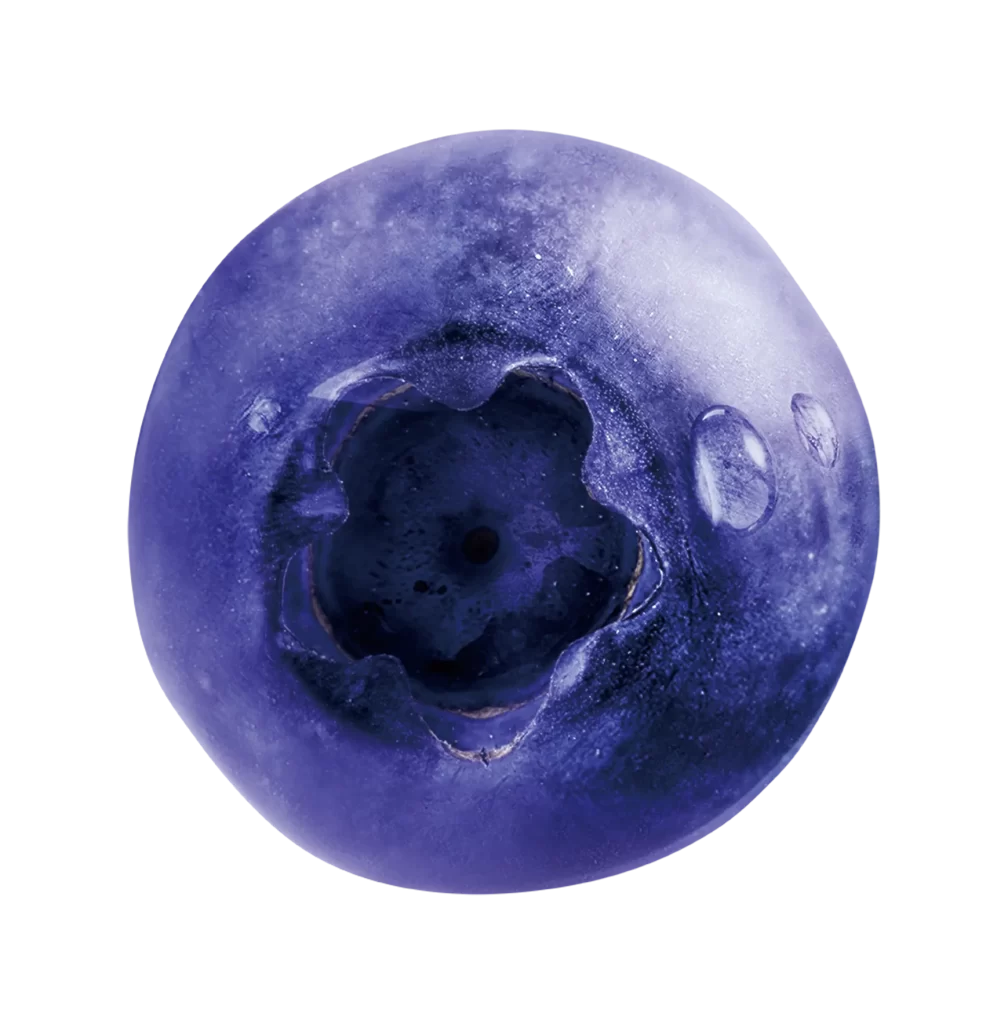
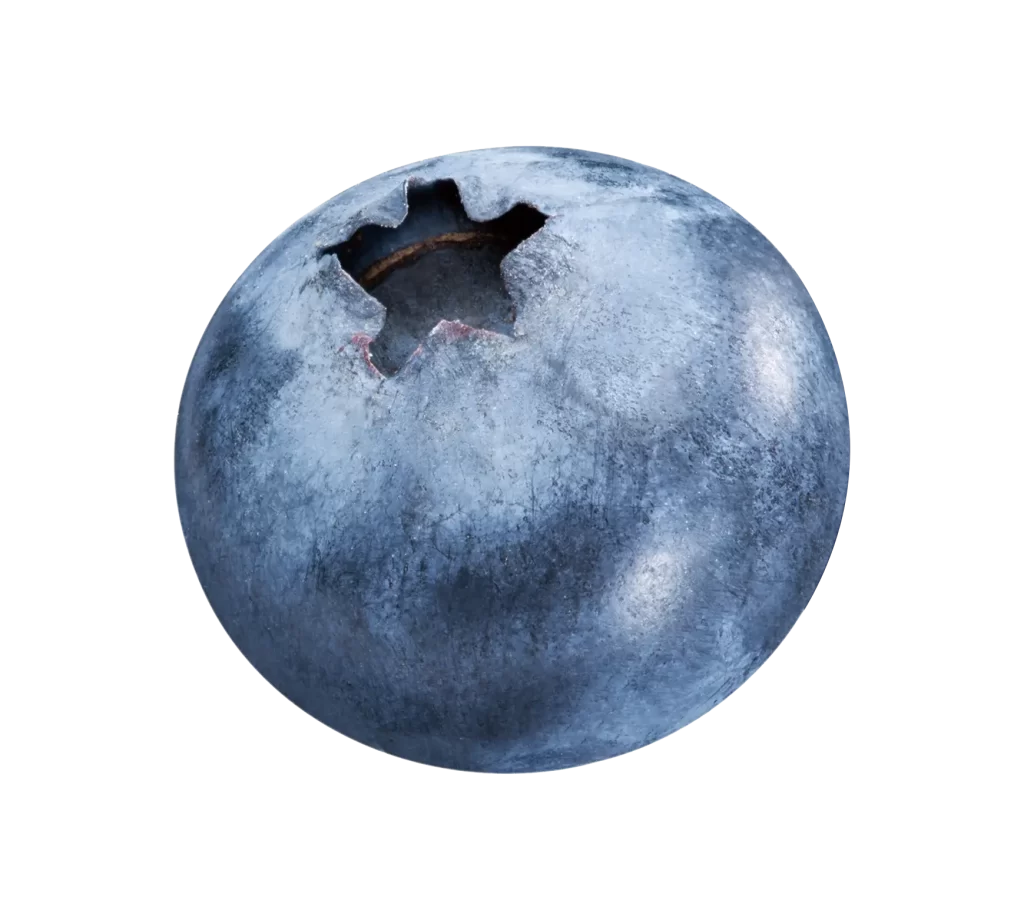
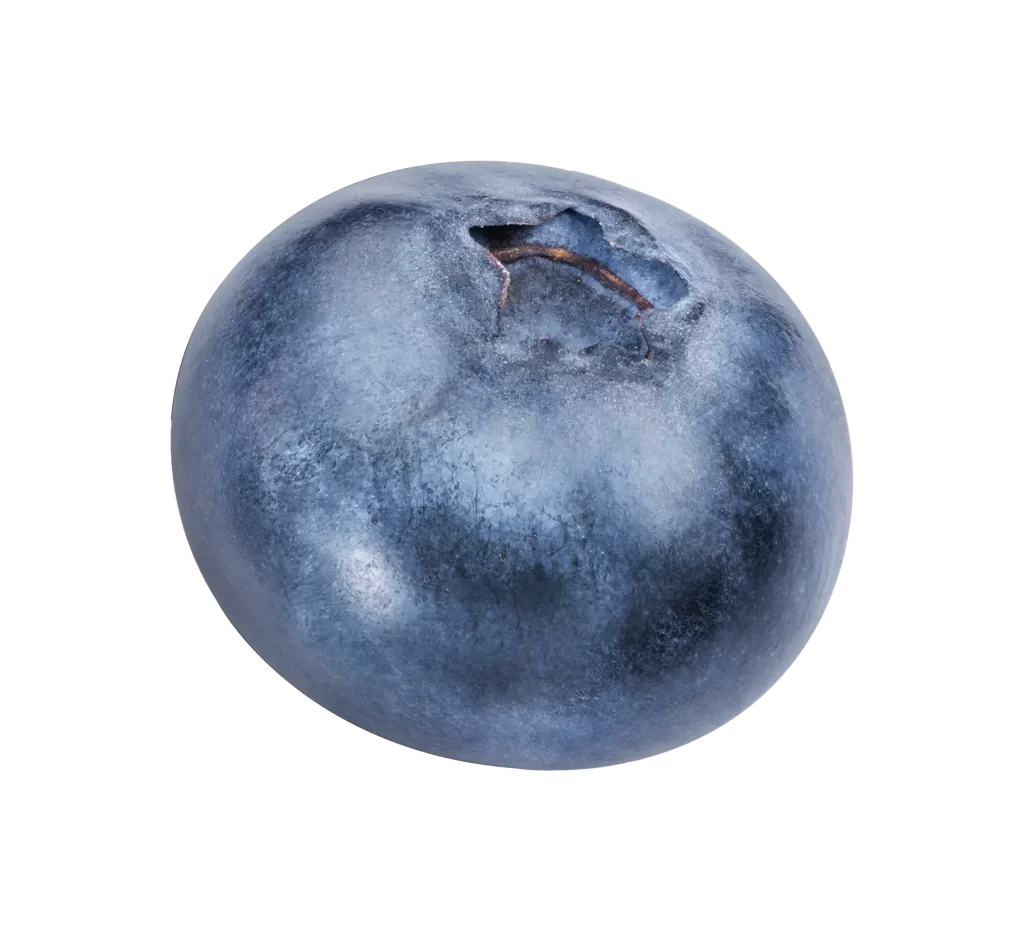
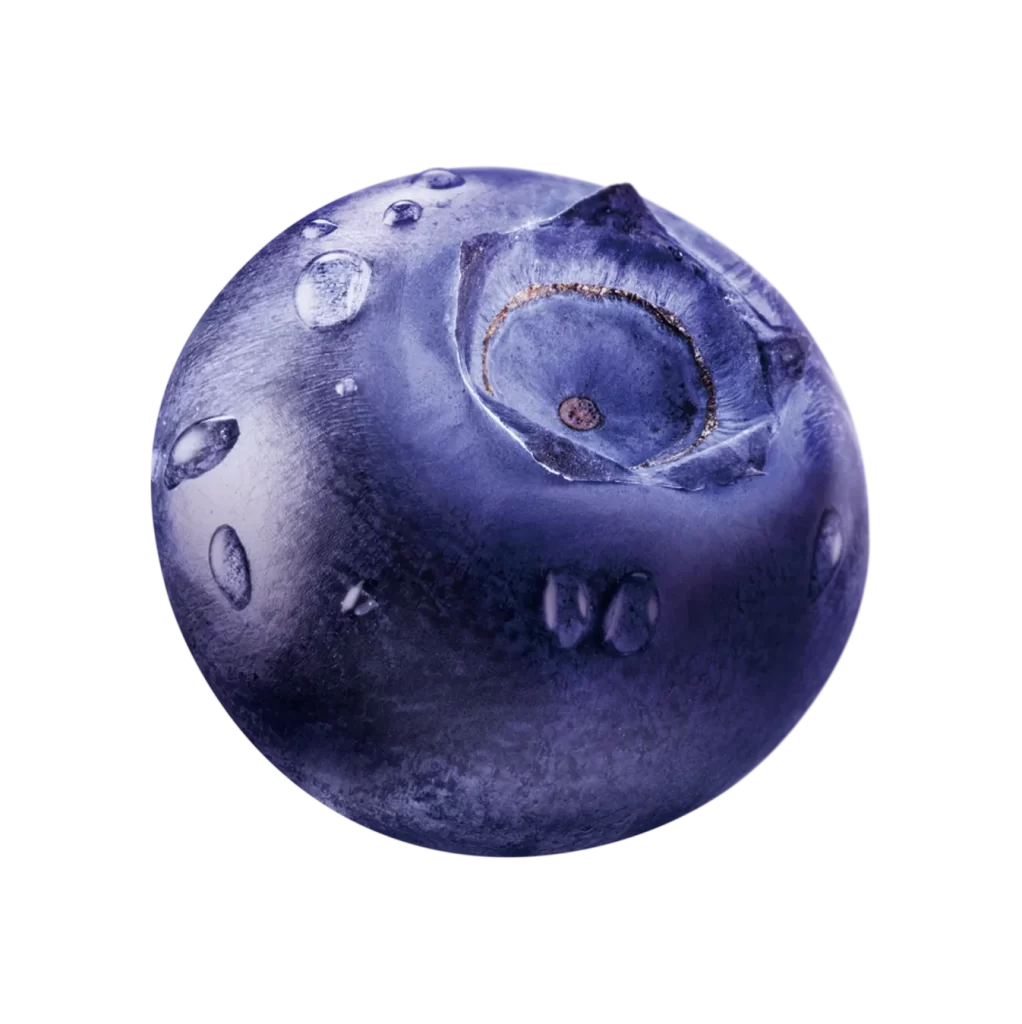
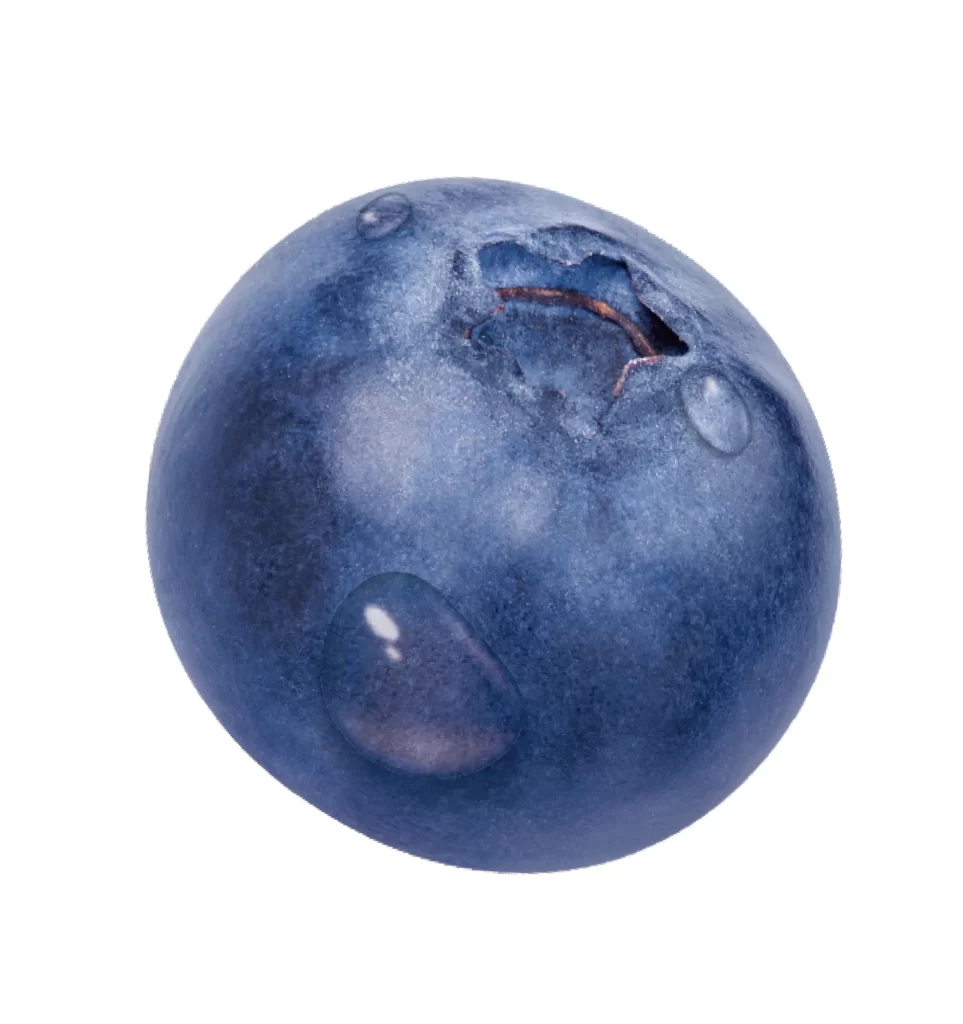
A single ripe blueberry dominates the frame with its deep indigo skin dusted in a pale, powdery bloom that catches the light unevenly across its curved surface. Three distinct water droplets cling to the fruit—one large teardrop near the bottom left, a smaller bead to the upper right, and a third tiny droplet at the top—each reflecting bright highlights that emphasize their spherical volume. The berry's crown reveals a dried, brownish stem scar surrounded by slightly puckered, darker tissue, all captured from a straight-on camera angle against an uncluttered, light-toned backdrop.
What makes this particular specimen visually compelling is the interplay between matte and glossy textures across such a small organic form. The waxy, frosted coating creates a soft, diffused blue-purple gradient, while the water beads introduce sharp, crystalline focal points that break up the otherwise uniform surface. Subtle imperfections like the wrinkled calyx area and minor color variations lend authentic character that distinguishes it from overly sanitized product shots.
Food illustrators and packaging designers working on health-focused brands would find this reference invaluable for rendering realistic fruit textures in digital paintings or 3D models. Botanical artists studying light behavior on moist surfaces could use the droplet placements as a study guide for specular highlights and refraction. Anyone crafting visual assets for recipe apps or nutritional content might pull specific color values from the bloom and shadow areas to maintain consistency across illustrated ingredient libraries.