
Peptide Backbone Amino Acids Chemical Structure
DownloadTopics
Details
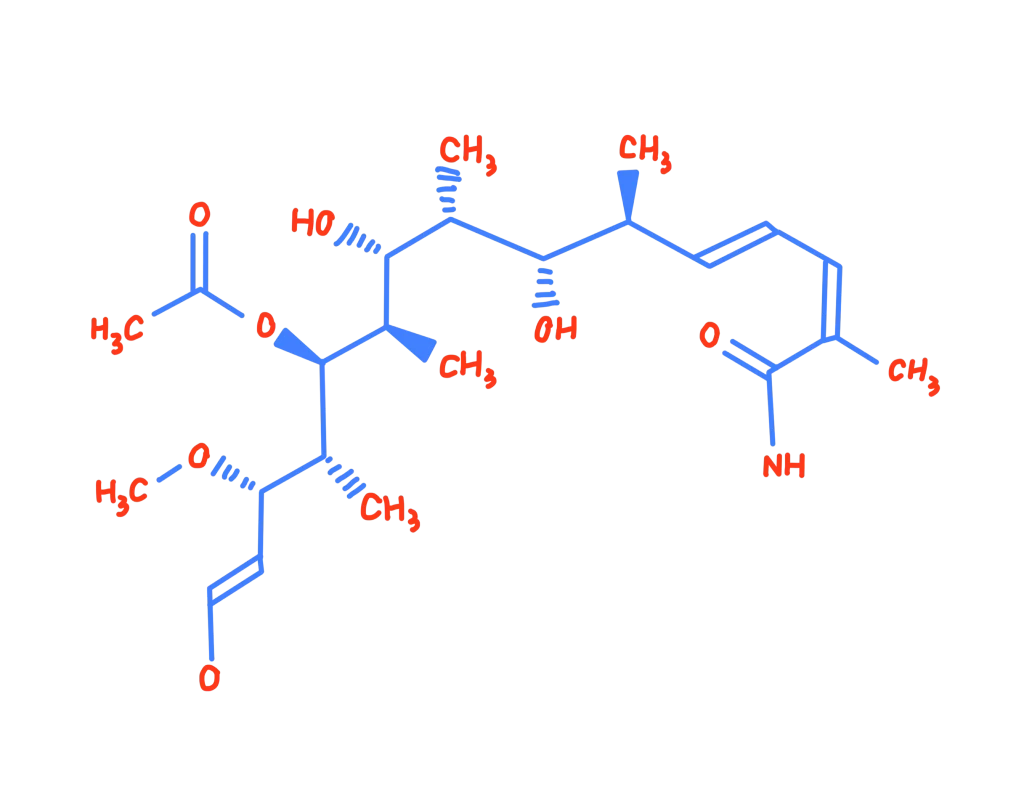
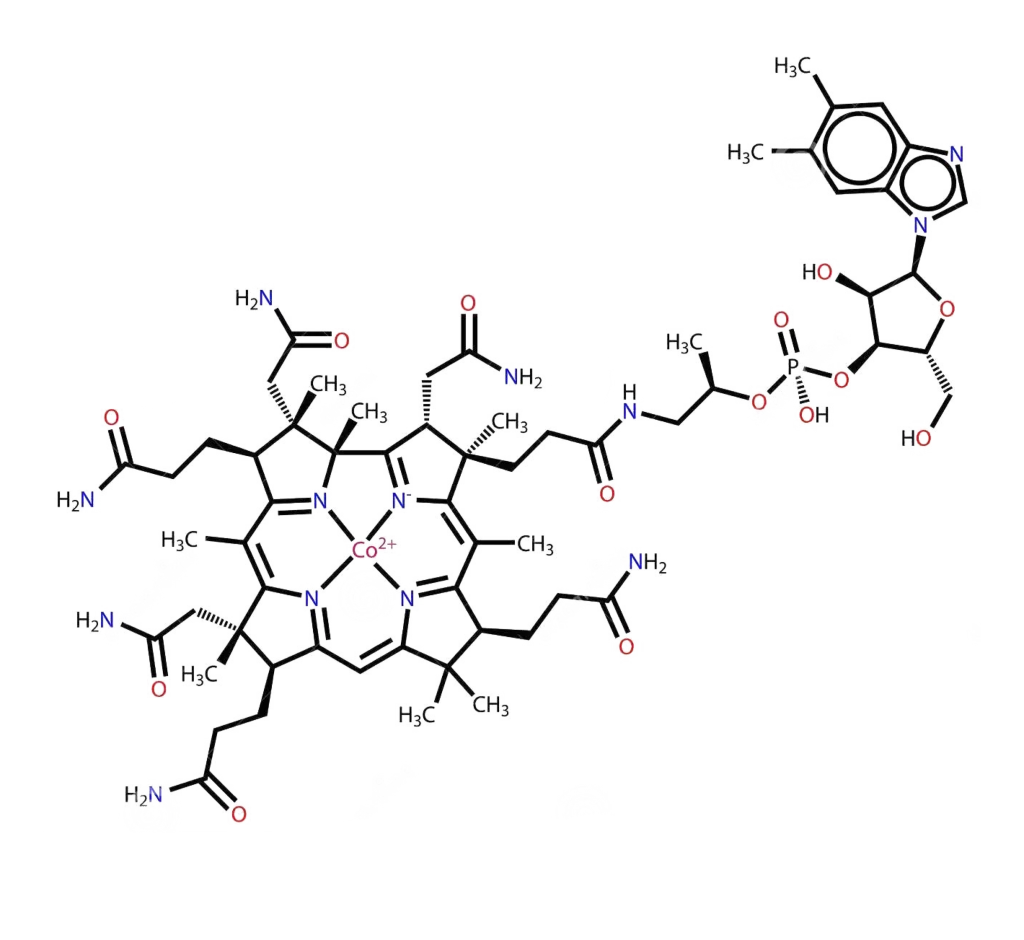
Black skeletal lines trace the intricate topology of a peptide chain across a white field, rendering every covalent bond, carbonyl group, and side-chain substituent with uniform precision. The composition arranges multiple amino acid residues—some bearing benzene rings, others displaying carboxylic acid termini or sulfur-linked methyl groups—in a sprawling yet logically connected sequence that folds back upon itself. No shadows or gradients interrupt the flat, diagrammatic presentation, ensuring every vertex and heteroatom remains legible from a direct orthogonal viewpoint.
Visual complexity emerges from the juxtaposition of rigid aromatic systems against flexible aliphatic spacers and cyclic lactam motifs scattered throughout the molecular scaffold. The deliberate variation in side-chain bulk—from compact methylthio extensions to bulky indole and phenyl moieties—creates a rhythmic visual texture that guides the eye along the polypeptide backbone. Researchers can obtain the full-resolution file at no cost to examine these stereochemical details without compression artifacts.
Medicinal chemists might employ this schematic to map pharmacophore distributions or plan synthetic modifications targeting specific residues within the sequence. Structural biologists could overlay experimental density maps onto this framework to validate conformational hypotheses about loop regions and secondary structure elements. Educators in biochemistry courses frequently require such unambiguous line drawings to illustrate concepts of peptide bond geometry and post-translational modification sites.