Red Silk Dragon Embroidery
Topics
Details
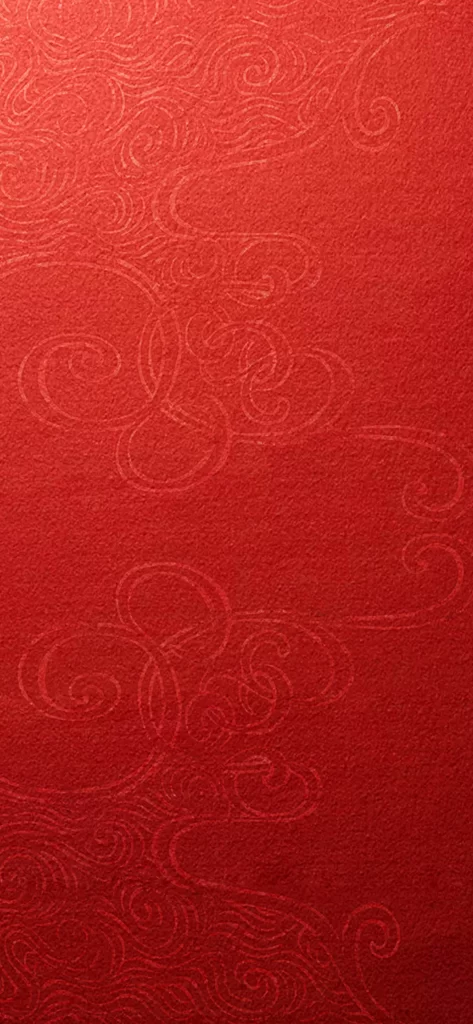
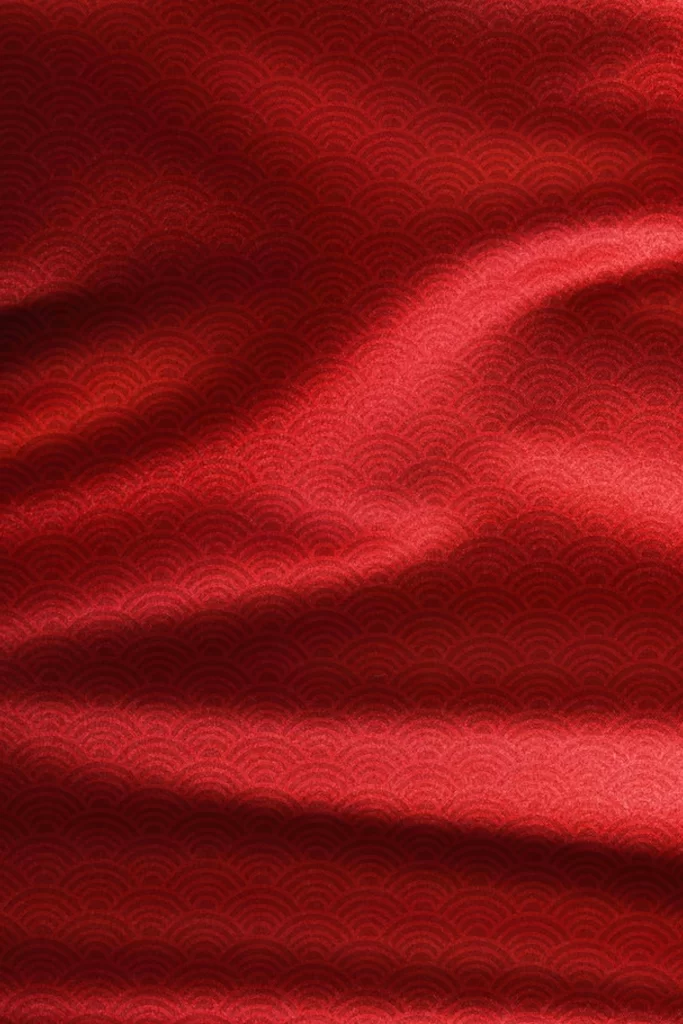
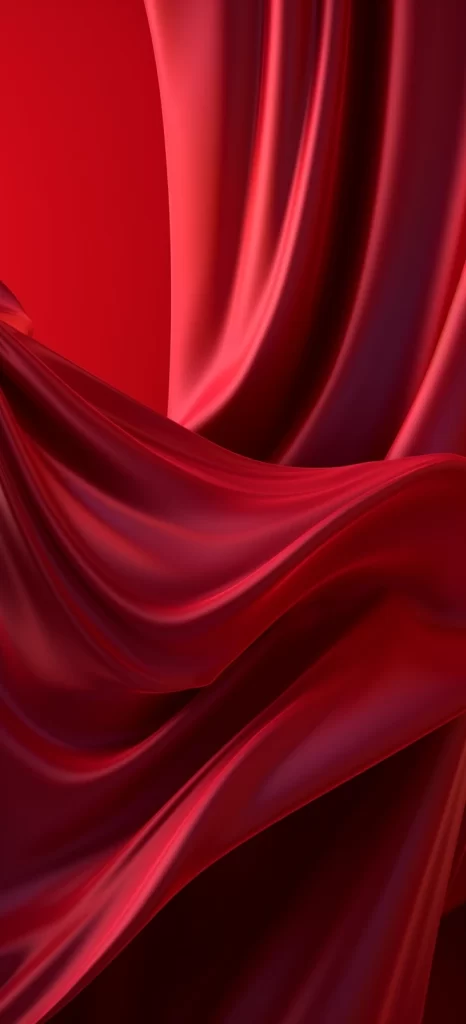
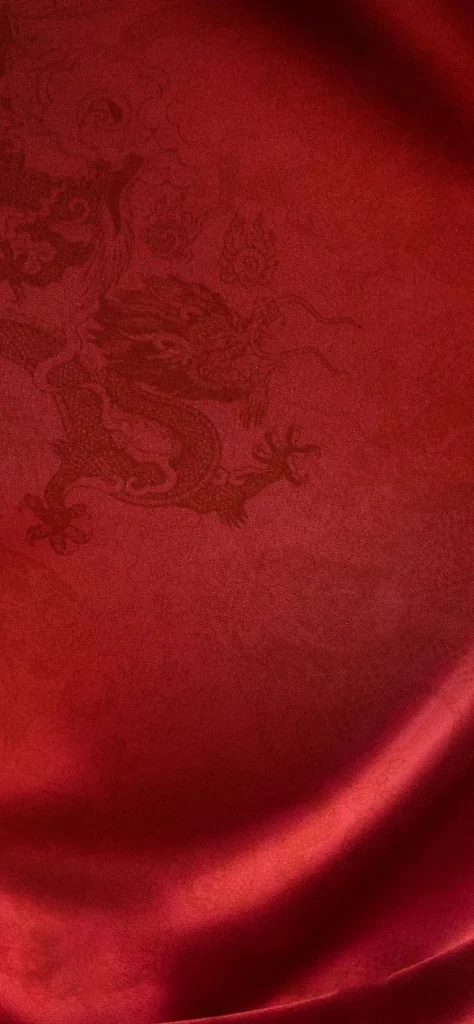
Deep crimson silk drapes in heavy, liquid folds that catch light along their crests, creating a luminous sheen against the matte shadows of the fabric's troughs. Woven into the upper left quadrant, a traditional dragon emerges in tonal embroidery—its scaled body coiling through stylized clouds with claws extended and whiskers trailing. The composition tilts slightly off-axis, allowing the material's natural drape to dominate the frame while the mythical creature appears partially submerged within the textile's undulations.
Subtle contrast between the embroidered motif and the base cloth creates a ghostly, monochromatic effect that rewards close inspection rather than demanding immediate attention. The interplay between the rigid, detailed stitching and the fluid, organic movement of the silk generates visual tension—ancient symbolism rendered in a medium that refuses to stay still. Light behaves differently across the surface, revealing the dragon's form only when viewed from certain angles as highlights shift across the weave.
Textile historians documenting Qing dynasty court dress techniques might study this sample to understand how tone-on-tone embroidery achieves its understated luxury. Costume designers working on period dramas set in imperial China could reference the specific way light interacts with both the woven ground and the raised stitch work to replicate authentic screen presence. Fashion illustrators seeking to render convincing fabric behavior would find value in observing how the material's weight creates those characteristic pooling shadows and specular highlights.