
White Fabric Texture
Topics
Details
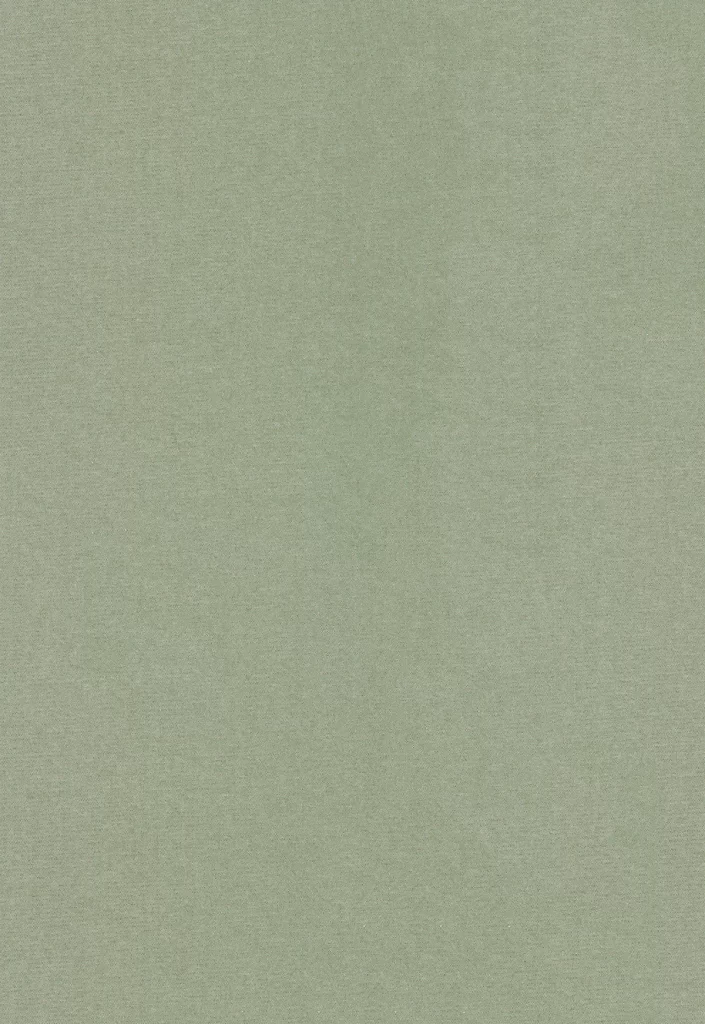
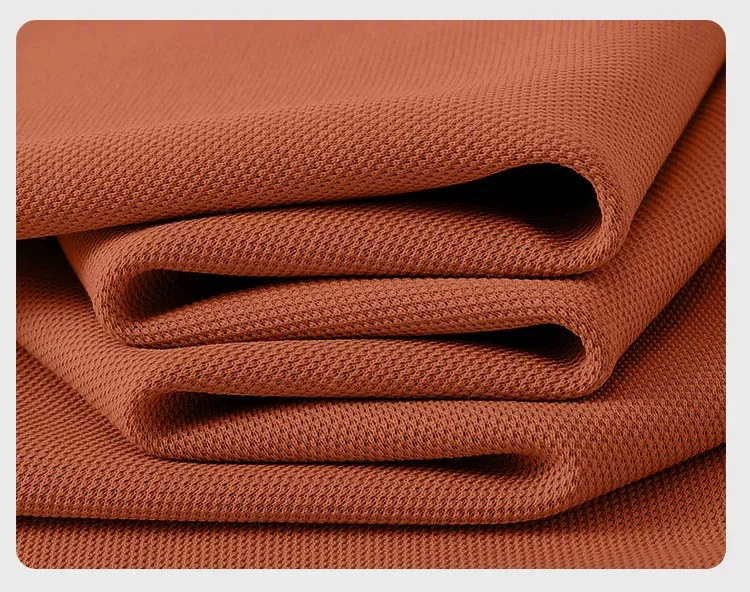
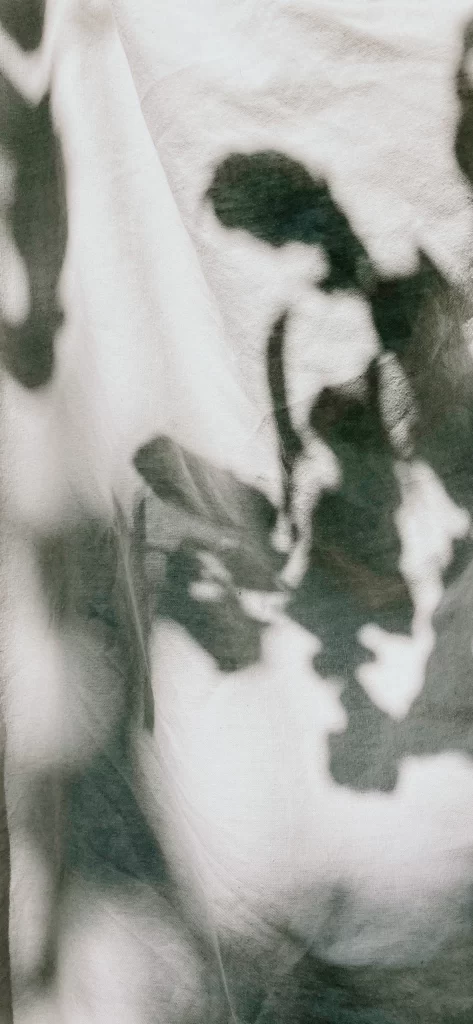
A uniform field of off-white textile fills the frame, displaying a tight, regular weave of interlaced threads that creates a subtle grid-like pattern across the entire surface. The material appears to be a plain-weave cotton or linen with a matte finish, showing no discernible sheen or gloss. Soft, diffused lighting eliminates harsh shadows and highlights the minute texture of individual fibers without creating deep contrast. The camera maintains a perfectly perpendicular angle to the fabric plane, ensuring consistent focus from edge to edge.
Visual interest arises from the rhythmic repetition of the weave structure, which provides a neutral yet tactile quality that differs from smooth paper or synthetic surfaces. The slight variations in thread thickness and the natural imperfections of the fiber give the surface organic character while maintaining overall consistency. This particular texture offers enough detail to read as material rather than flat color, yet remains subdued enough to function as a background element without competing for attention.
Interior architects and 3D environment artists frequently employ such references when mapping upholstery materials for furniture models or architectural visualization scenes. Fashion designers might consult this texture to specify base fabrics for garment prototypes or to communicate material requirements to manufacturers. Digital painters and concept artists can overlay this pattern to add realistic cloth surfaces to character designs or environmental props, grounding digital work in tangible material qualities.