
Paper Folded White Shadow Surface
Topics
Details
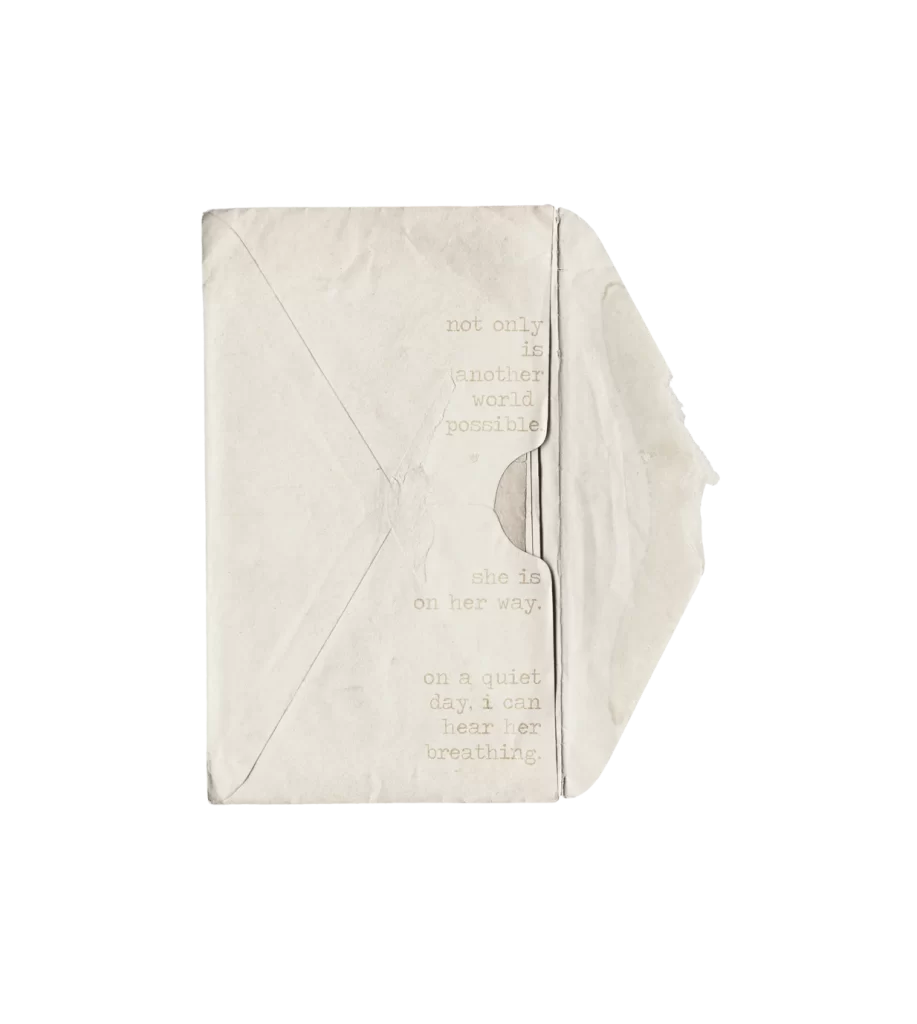
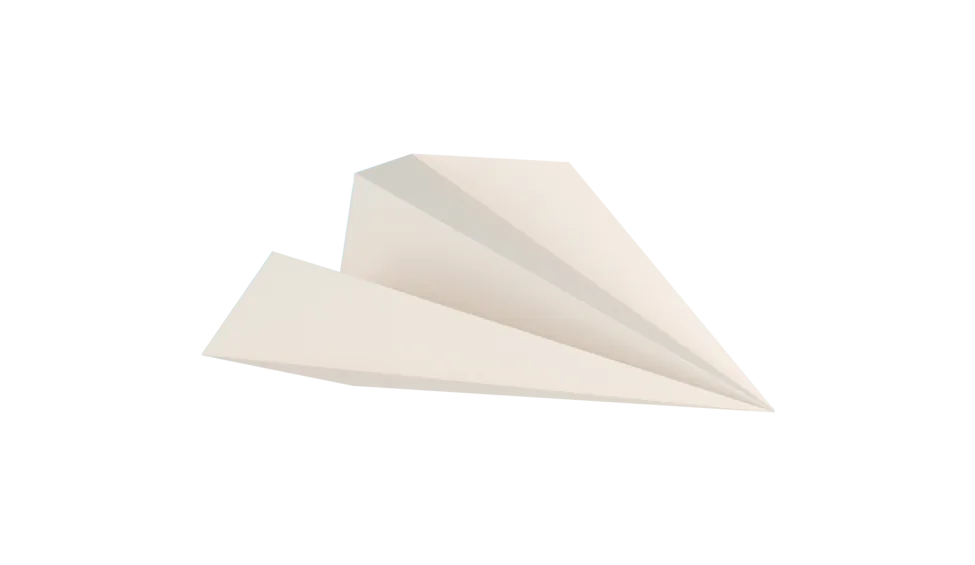
A tall rectangular envelope of matte white paper stands vertically, its top flap folded diagonally across the upper right corner and secured by a small translucent adhesive strip. Subtle gray shadows trace the crease lines running down the center and along the sealed edge, revealing the material's slight thickness against a clean, light-toned backdrop. Soft, diffused illumination from the upper left casts gentle gradients across the surface, emphasizing the paper's smooth texture without creating harsh contrasts.
What distinguishes this particular composition is the precise interplay between the geometric folds and the understated shadow work, which transforms an ordinary mailing object into a study of minimalist form. The diagonal closure creates an asymmetric visual tension that breaks the vertical rigidity of the envelope's body, while the barely-there adhesive strip adds a functional detail that grounds the image in real-world utility. These subtle tonal variations in the shadow areas provide valuable information about how light interacts with folded paper surfaces.
Product photographers working on stationery catalogs will find this reference particularly useful for understanding how to stage envelopes without losing dimensional clarity in the final shot. 3D artists modeling office supplies can study the way the flap overlaps the body to achieve realistic collision detection and material properties. Packaging designers might also examine the shadow placement to inform their own mockup presentations, ensuring their digital renders convey the same tactile quality as physical prototypes.