
Black Background
Topics
Details
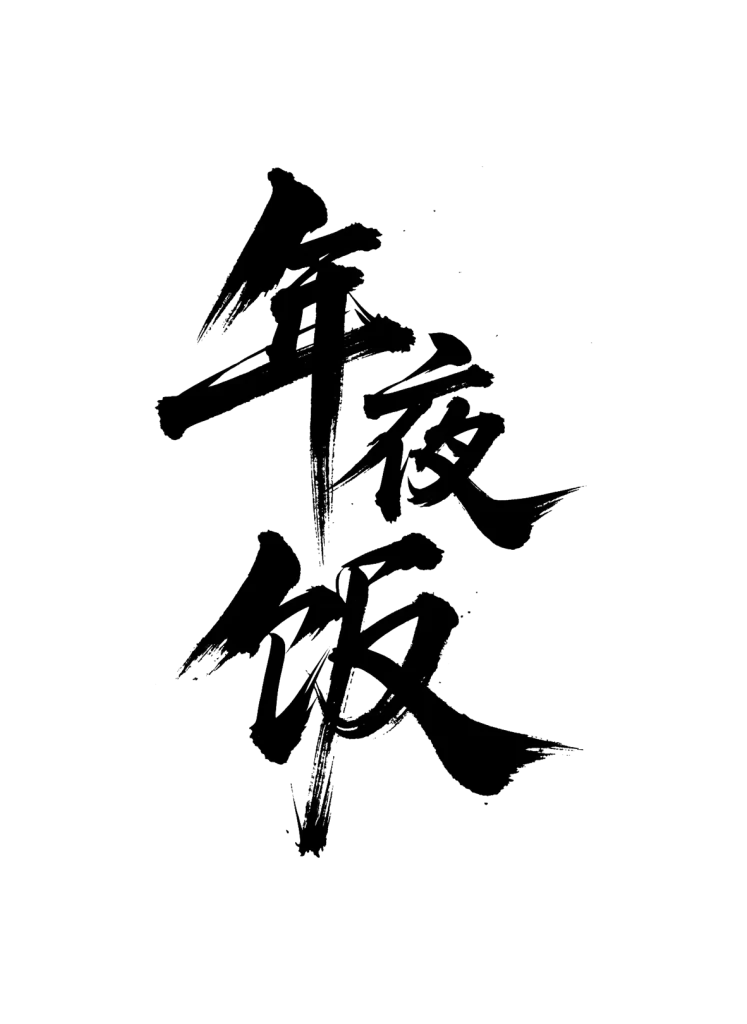
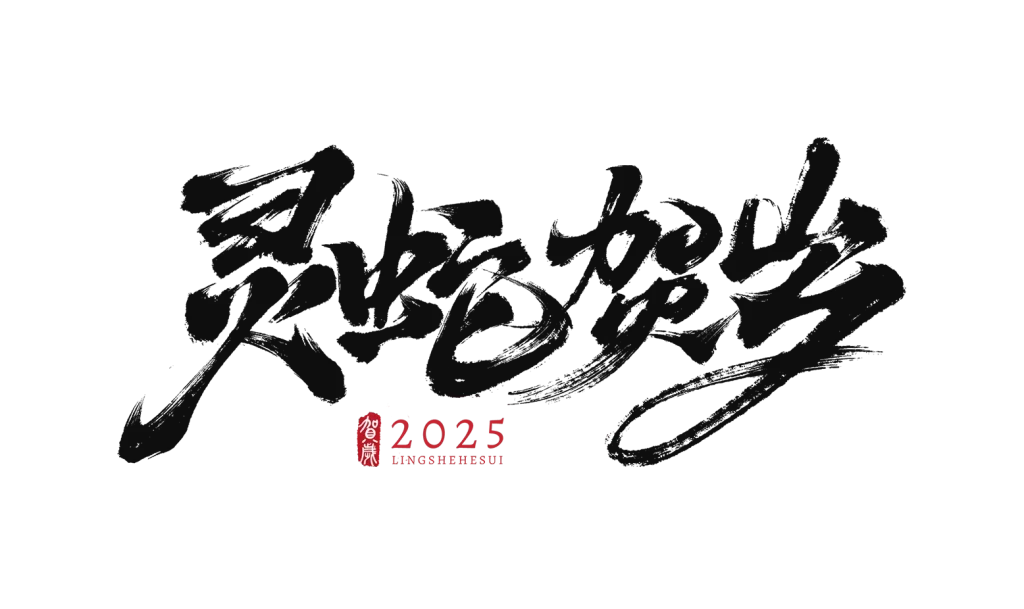
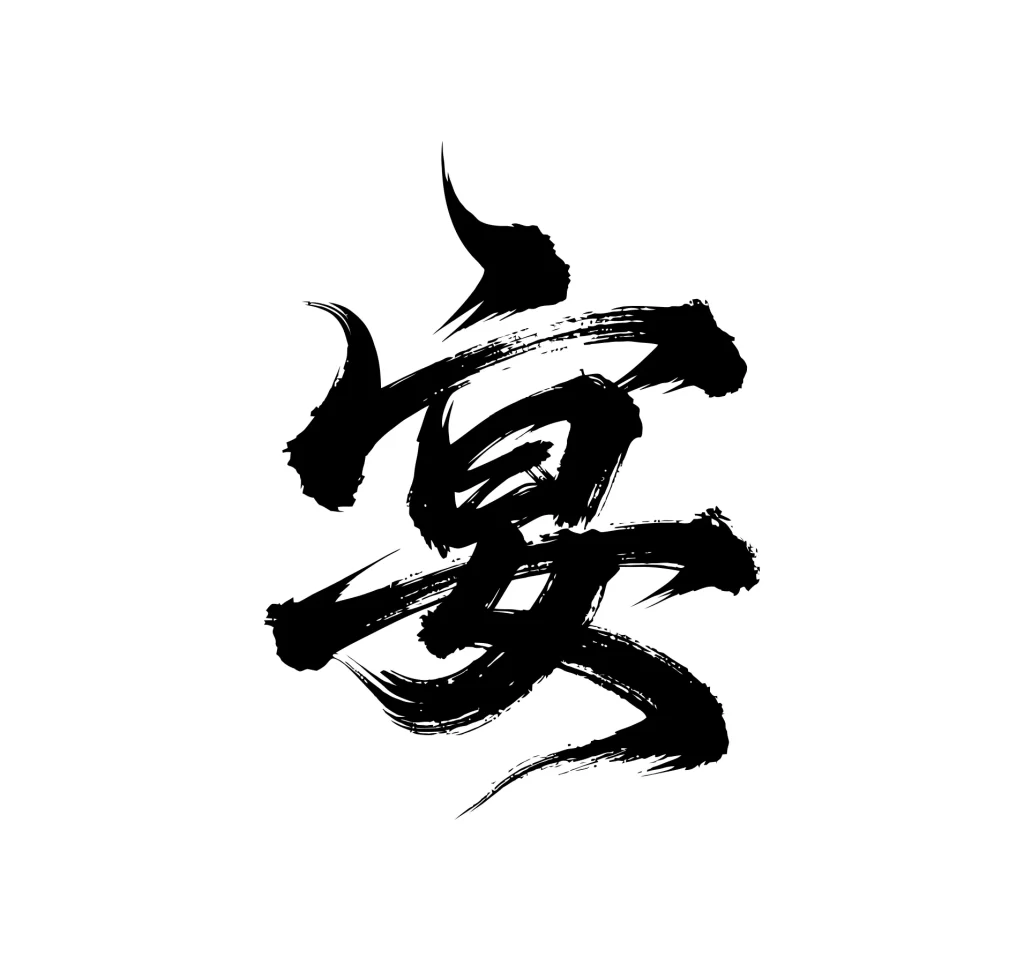
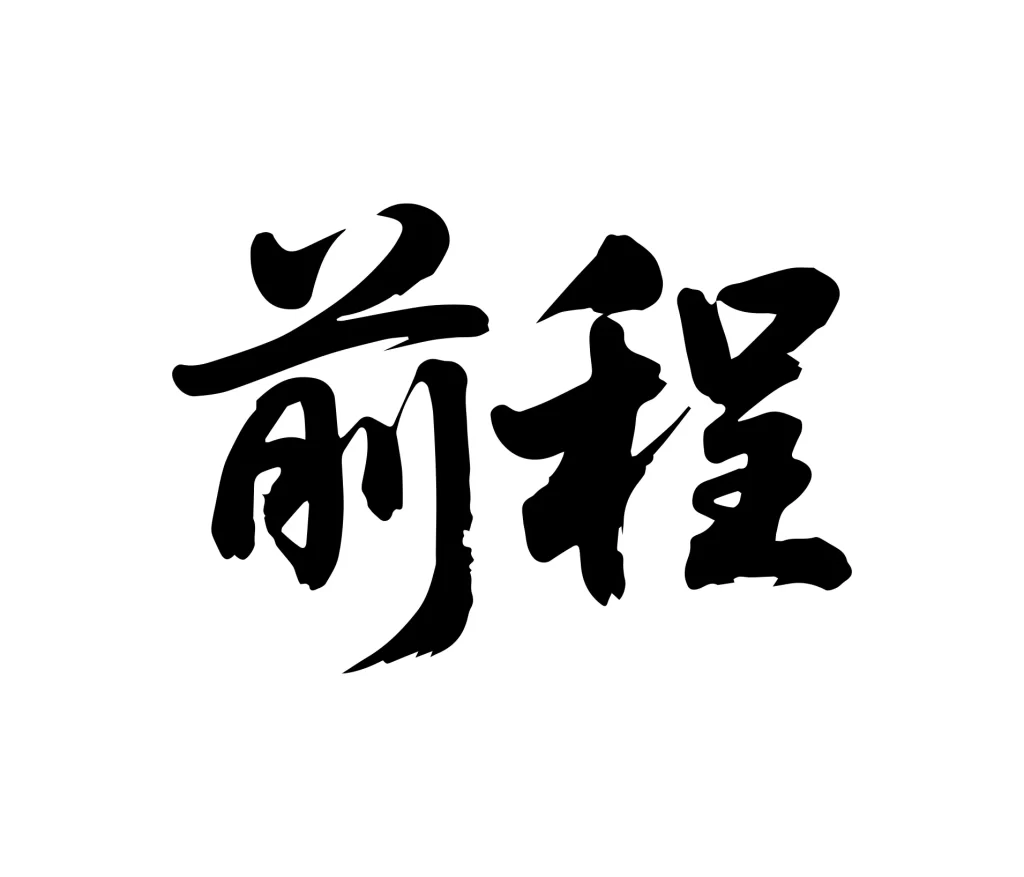
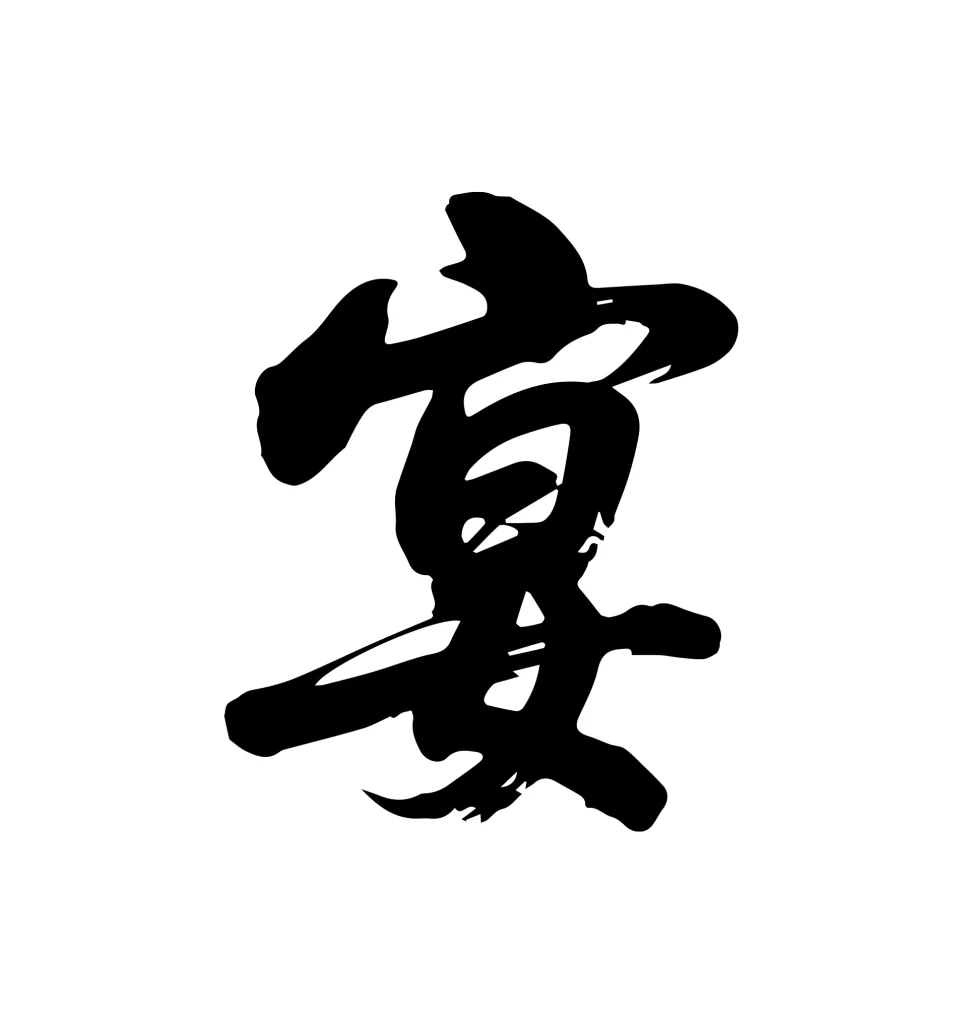
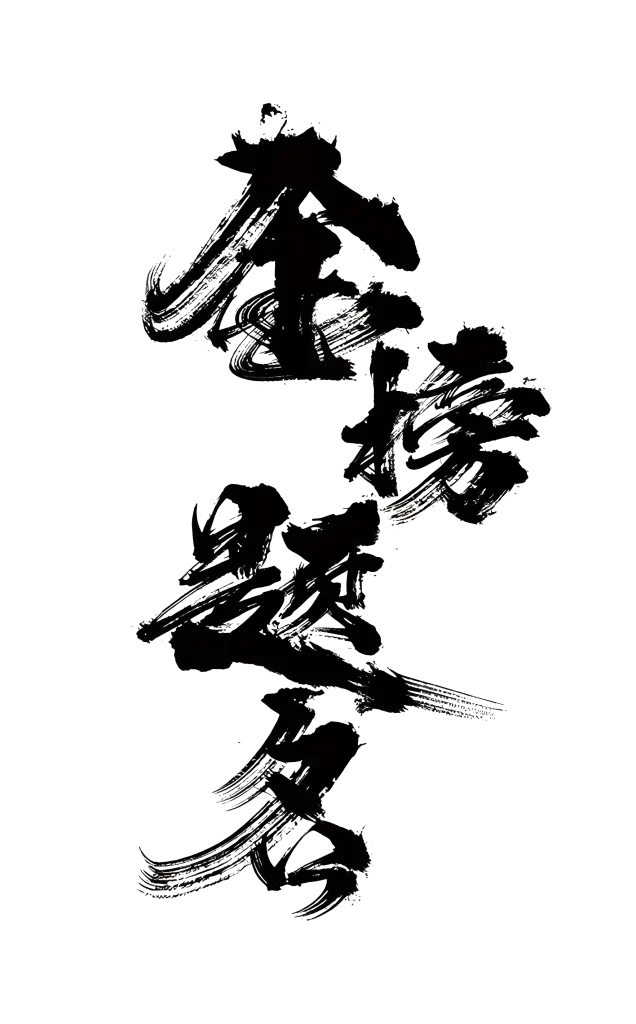
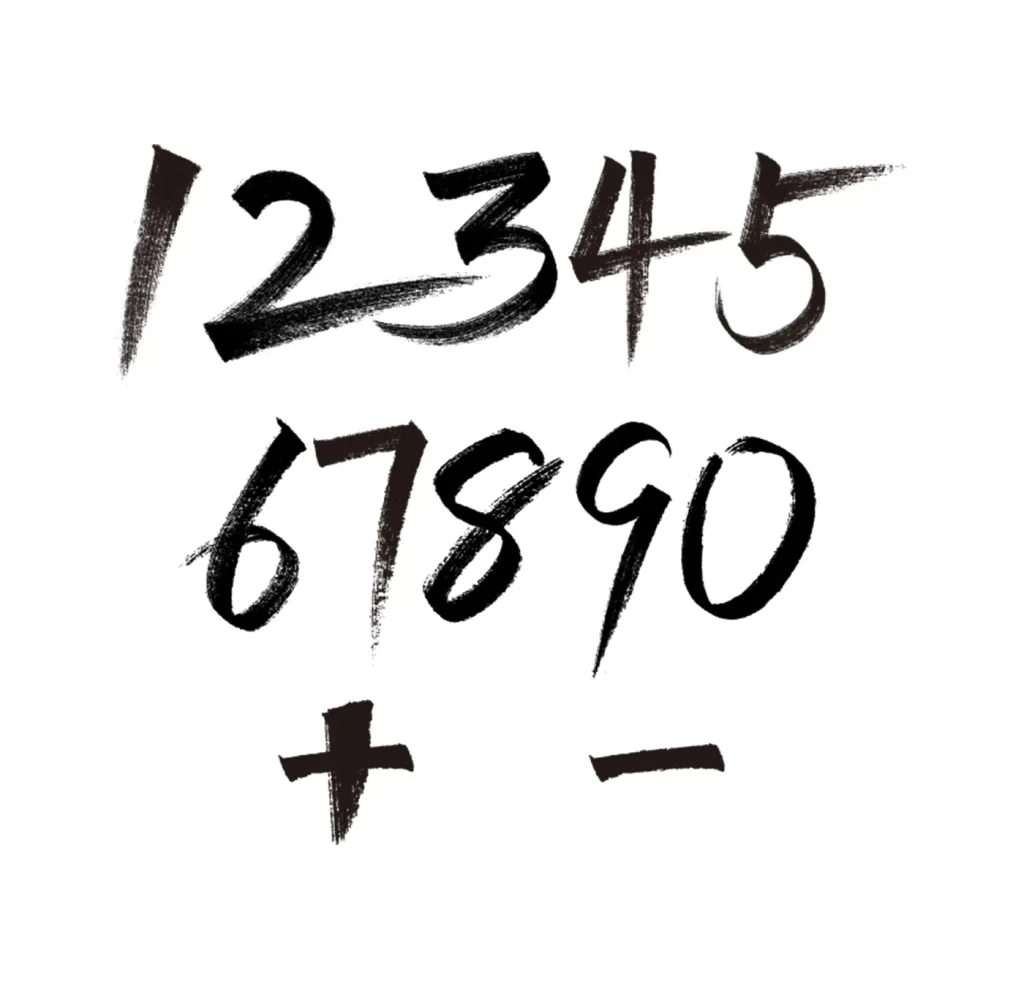
Three Chinese characters rendered in bold black ink occupy the vertical frame, executed in a fluid calligraphic style that emphasizes brushwork texture and varying stroke weights. The composition arranges the glyphs in a descending column from upper right to lower left, with the top character featuring a prominent dot and angular turns, the middle character displaying elongated vertical strokes, and the bottom character showing rounded, enclosed forms. A clean white field surrounds the dark letterforms without any additional decorative elements or shadows.
Visual interest derives from the dynamic interplay between thick downstrokes and hair-thin connecting lines, revealing the pressure changes of a traditional brush. The irregular edges of each stroke suggest handmade authenticity rather than digital precision, while the generous negative space around the characters creates breathing room that highlights their structural complexity. This particular rendering balances legibility with expressive gesture, making the ancient script feel both authoritative and spontaneous.
Typography researchers studying East Asian script evolution would examine such specimens to understand stroke order and compositional balance in traditional calligraphy. Brand designers working on restaurant identities or cultural institutions might reference this aesthetic to convey heritage and craftsmanship. Motion graphics artists could trace these contours to animate ink spreading across virtual paper, while printmakers study the saturation gradients for woodblock or screen printing projects.